Skip to main content Skip to footer
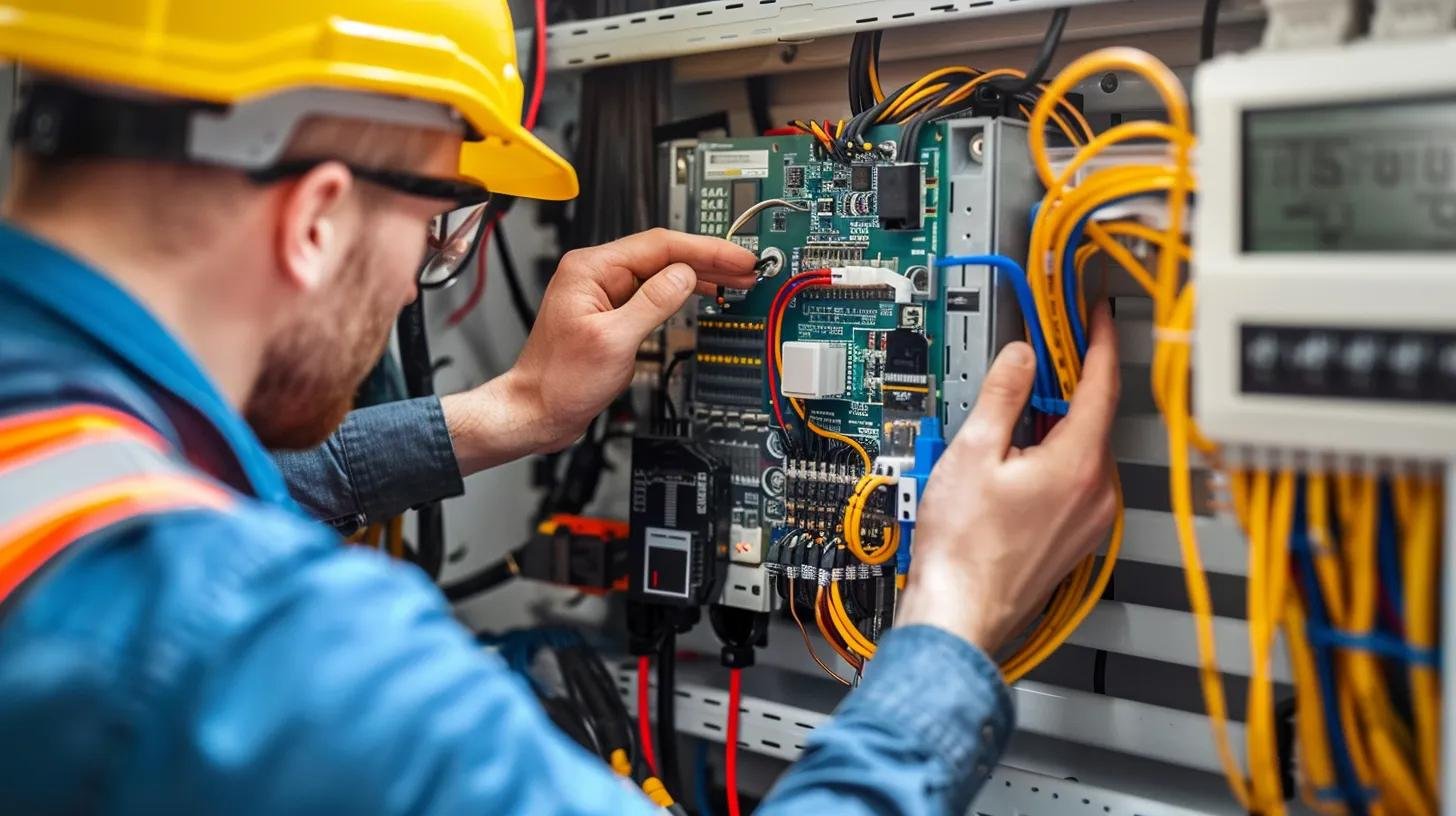
Big Changes To The Electrical Industry — Why It’s Good For Customers (And Great For Quality Electricians)
The UK electrical industry is entering a new era — one built on higher standards, safer homes, and greater accountability.
From October 2026, every certified electrical business in the UK will need to meet updated national rules called the Electrotechnical Assessment Specification (EAS). These rules define what qualified really means and will reshape who can legally carry out certain types of electrical work.
In simple terms, it means this: Only electricians who can prove their training, experience, and up-to-date knowledge will be approved to work under trusted schemes such as NICEIC, NAPIT, also SELECT in Scotland.
That’s great news for customers, landlords, and anyone who wants their property’s electrics to be genuinely safe.
Why The Industry Needed Change
There was no protected title and no single standard defining what “competent” meant. Some people had decades of practical experience but no recognised qualifications. Others held a few classroom certificates yet lacked the real-world understanding needed to test or design installations safely.
A good example of this is the Level 3 City & Guilds 2391-52 qualification — the national standard for inspection and testing. The 2391-52 is known to have a very low pass rate, with national figures reported at around 32%. That means more than two-thirds of candidates fail to reach the required standard. It’s proof that testing and inspection () are not simple tick-box exercises — they require a deep understanding of electrical theory, safety principles, and the Wiring Regulations (BS 7671).
This highlights exactly why the new EAS competence requirements are so important. If most candidates cannot meet the standard, the industry clearly needs tighter rules to ensure that only genuinely qualified professionals perform this critical safety work.
Following the Grenfell Tower tragedy, Dame Judith Hackitt’s Independent Review of Building Regulations and Fire Safety (published on GOV.UK) called for sweeping reform. She found that weak oversight and inconsistent competence standards across the construction industry were putting lives at risk.
Her message was clear: the UK needed stronger, more consistent rules to ensure that people working on safety-critical systems — like electrical installations — are qualified, experienced, and accountable.
The EAS update is part of that nationwide response. It’s a joint effort between the Institution of Engineering and Technology (IET), NICEIC, NAPIT, SELECT, and other leading bodies. Together, they’ve developed clearer, stricter criteria to make sure electricians are genuinely competent to do the work they’re certified for.
What Is The Electrotechnical Assessment Specification (EAS)?
The EAS is the industry-agreed standard used by all UK certification bodies. It sets the rules for who can be assessed and approved as a competent electrical business.
Every electrician registered with schemes such as:
- NICEIC (National Inspection Council for Electrical Installation Contracting)
- NAPIT (National Association of Professional Inspectors and Testers)
- ELECSA
- BESCA
- OFTEC (for certain electrical heating and renewables work)
- SELECT (the recognised trade association and scheme provider for Scotland)

Competent Person Schemes must meet the EAS requirements to keep their status.
The specification covers everything from qualifications and experience to business procedures, technical competence, and health & safety compliance.
What’s Changing In 2026
The EAS changes coming into effect on 1 October 2026 will reshape the electrical industry in three major ways.
1. Clearer Competence Rules For Electrical Testing And Inspection
Until now, competence requirements were sometimes vague. Electricians could perform inspection and testing if they felt “experienced enough.”
From 2026, that will no longer be acceptable.
Anyone carrying out Periodic Inspection and Testing — which means producing an or performing an — must:
- Hold a Level 3 qualification in Periodic Inspection and Testing of Electrical Installations (for example, City & Guilds 2391-52 or equivalent).
- Be able to show at least two years of relevant hands-on experience.
- Provide ongoing Continuing Professional Development (CPD) evidence proving they keep their skills and knowledge current.
In plain English: If someone is coming to check your wiring, consumer unit replacement Aberdeen, or Electrical Safety First, they’ll need to be a properly qualified electrician — not just “someone handy with wires.”
That means customers can finally be confident that their or electrical safety certificate has been carried out by an expert who genuinely knows what they’re doing.
2. Recognised Qualifications For Low-Carbon Work
The UK is racing toward a greener, electrified future — but new technology brings new risks if installed incorrectly.
To support that, four new categories have been added to the EAS covering low-carbon electrical systems:
- EV charging equipment installation
- Solar PV systems installation
- Electrical Energy Storage Systems (EESS) such as home batteries
- Micro wind turbine installation
Electricians working in these areas will need the right specialist qualifications and training for each technology.
This is vital, because these modern systems handle high voltages, complex electronics, and grid-connected components. Incorrect installation could cause fires, electric shock, or equipment failure.
These new requirements will make sure that every EV charger, solar system, and battery installed in the UK is fitted by a qualified low-carbon specialist who understands both safety and sustainability.
3. Stronger Oversight By Certification Bodies
Under the new system, certification bodies like NICEIC, NAPIT, and SELECT will take an even more active role in assessing registered businesses.
Assessors will check that every business’s Qualified Supervisors (QSs) and operatives meet the EAS competence standards. Any shortfall will be recorded and monitored until corrected.
If a company doesn’t meet the requirements by October 2026, it won’t immediately lose certification — but it will have to show a clear plan to reach full compliance.
This approach gives responsible electricians time to upskill while gradually removing unsafe or unqualified operators from the market.
What “Testing And Inspection” Actually Means
Let’s clear this up early, because it’s one of the most misunderstood parts of electrical safety.
When electricians talk about testing and inspection, they’re referring to the formal process of checking whether an electrical installation is safe.
The official name is Periodic Inspection and Testing, and the document produced is called an .
Think of it as a health check for your electrics (EICR).
Your electrician performs a combination of visual inspections and instrument tests to confirm that:
- Wiring is in good condition.
- Earthing and bonding are correct.
- Protective devices such as RCDs operate fast enough to prevent electric shock.
- Circuits are correctly rated and free from damage or overheating.
At the end, you’ll receive an official report rating the condition of your installation as satisfactory or unsatisfactory, with any problems graded by severity:
- C1 — Danger present, immediate risk of injury (must be fixed immediately)
- C2 — Potentially dangerous (requires urgent repair)
- C3 — Improvement recommended (safe but not ideal)
- FI — Further investigation required
If your property fails, the electrician will explain exactly what needs fixing and why.
These tests are essential for both safety and compliance. Many insurance policies and landlord regulations require a current to prove the electrics are safe.
How Often Should You Have An EICR?
- Homeowners: every 10 years, or sooner if your system is older.
- Landlords: every 5 years by law across England, Scotland, and Wales.
- Commercial premises: typically every 3 to 5 years, depending on environment and usage.
If you’ve recently moved into a property and don’t know when it was last checked, it’s safest to book an straight away.
Why The EAS Changes Are Good News For Customers
1. You’ll Know Who To Trust
Choosing an electrician can feel like guesswork. The EAS changes make it clear who’s genuinely qualified.
When you hire a CPS-registered electrician — from schemes such as NICEIC, NAPIT, ELECSA, or SELECT — you’re choosing someone whose work is independently assessed, insured, and guaranteed.
You can verify their registration instantly using official online tools like .
2. Safer Homes And Businesses
Poor wiring is one of the leading causes of accidental fires in the UK. Many start because of DIY alterations or outdated fuse boards with no RCD protection.
Under the new standards, only properly trained electricians can issue safety certificates — reducing the number of dangerous installations and saving lives.
Regular testing also catches early warning signs such as loose connections, damaged insulation, or overloaded circuits before they lead to disaster.
3. A Level Playing Field For Honest Electricians
Many professional electricians invest thousands in training, equipment, insurance, and annual assessments — while unqualified operators undercut them with cheap, unsafe work.
The EAS changes will help eliminate that unfairness. By requiring proof of qualifications and competence for certification, only genuinely skilled electricians will remain on approved registers.
That means customers get safer work, and professional electricians get the recognition they deserve.
4. Quality Guaranteed Under CPS Schemes
All major Competent Person Schemes offer built-in consumer protection.
If something goes wrong and the registered business doesn’t resolve it, the scheme itself can step in. Some schemes even provide free Platinum Promise or Work Quality Guarantees covering remedial work.
That’s something you’ll never get from an unregistered trader.
Why Unregistered Electricians Are A Hidden Danger
Electrical work in the UK isn’t a protected trade title — anyone can legally advertise as an “electrician.”
That means thousands of people across the country carry out electrical jobs every day without proper qualifications, certification, or oversight.
and other CPS members see the results all the time:
- Consumer units installed with no RCD protection.
- Sockets wired incorrectly, causing shocks.
- Lighting circuits overloaded or fused at the wrong rating.
- DIY EV chargers connected to the wrong supply.
In one recent case, a property in Peterhead failed every safety test. The wiring was undersized, un-earthed, and overheating behind walls — all done by someone who “knew a bit about electrics.”
The customer had no certificate, no insurance protection, and no recourse.
With the 2026 changes, that kind of situation should become far rarer. Only certified electricians working under a recognised CPS will be able to carry out key testing and certification work — protecting customers from dangerous, unverified installations.
What Customers Should Do Now
If you’re a homeowner, landlord, or business owner, here’s how to prepare:
- Check your electrician’s registration. Use the NICEIC Find a Tradesperson or SELECT Member Directory for Scotland.
- Ask to see qualifications. For inspection and testing, they should hold a Level 3 Periodic Inspection and Testing qualification.
- Book regular electrical checks (EICRs). Every 10 years for owner-occupied homes, 5 for rentals, 3-5 for businesses.
- Always get paperwork. Make sure you receive a proper certificate — EICR, EIC, or MEIWC — after any electrical work.
- Avoid cash-only or “too-cheap” quotes. Quality, qualified electricians price fairly because they follow the law, carry insurance, and use certified materials.
Why These Changes Benefit The Whole Industry
This reform isn’t just bureaucracy — it’s about restoring trust.
When every electrician is held to the same national standard, customers can be confident that their installer, no matter where they are in the UK, has the right training and integrity.
It also raises the reputation of the trade itself. The electrical industry should be respected like any professional field — one built on precision, safety, and skill.
For hardworking electricians who do things properly, the EAS update is a victory. It rewards professionalism and pushes out those who take shortcuts.
The result will be fewer dangerous installations, safer homes, and a stronger, more trustworthy industry nationwide.
Common Electrical Faults Found During
One of the biggest surprises for many customers during an or safety inspection is just how many hidden problems a trained electrician can uncover. Even a home that “seems fine” may have serious defects behind the walls or under the floorboards.
Here are some of the most common faults our team and other qualified electricians find during electrical testing across the UK:
1. Loose Connections
Over time, the tiny screws inside sockets, switches, and junction boxes can loosen due to vibration, heat, or poor installation. Loose connections cause arcing — small sparks that generate heat. This can lead to burnt terminals or even Electrical Safety First guidances.
2. Damaged Cables
Cables hidden in walls or under floors can deteriorate or be accidentally pierced by nails and screws. An includes insulation resistance tests, which measure whether current is leaking through the insulation — something impossible to spot visually.
3. No RCD Protection
Modern consumer units (fuse boards) should be fitted with RCDs (Residual Current Devices) that trip instantly if a fault occurs. Older fuse boards, especially those with rewirable fuses, often lack this life-saving protection.
4. Incorrect Earthing or Bonding
Earthing protects you from electric shock. If the main earth is missing, undersized, or disconnected, it can make metal appliances live under fault conditions. Correct bonding on gas and water pipes is equally critical for safety.
5. Overloaded Circuits
Too many sockets or lighting points on a single circuit can cause overloading, especially in older homes that weren’t designed for today’s electrical demand.
These are all issues you’d never detect without a proper carried out by a qualified electrician. That’s why regular testing is so essential — it’s not about ticking boxes, it’s about protecting lives and property.
Why Regular Electrical Checks Save Money
Many people delay electrical inspections because “everything works fine.” But electrical safety isn’t just about things working — it’s about making sure they’re working safely.
A simple , which costs a few hundred pounds, can prevent thousands of pounds in damage later. Here’s how:
- Prevent fires – A single faulty connection can ignite insulation or timber joists.
- Avoid appliance damage – Poor earthing or surges can destroy TVs, computers, and chargers.
- Lower insurance risk – Many insurers now require proof of regular testing for payouts after electrical fires.
- Reduce energy waste – Faulty circuits draw extra current and waste electricity.
In short, testing is an investment. Whether you’re a landlord, homeowner, or business owner, catching issues early saves money and stress.
Landlord Electrical Safety Rules Explained
Landlords across the UK now face strict legal duties to ensure their rental properties are electrically safe. These laws exist to protect tenants — and to hold landlords accountable for unsafe conditions.
Here’s a breakdown of what applies where:
England & Wales
Landlords must have the electrical installation inspected and tested every 5 years (or sooner if recommended). They must provide tenants with a copy of the and rectify any issues identified within 28 days.
Scotland
Scotland was ahead of the rest of the UK, introducing 5-yearly checks back in 2015. The test must be performed by a SELECT or NICEIC-registered electrician, and landlords must also have PAT testing on portable appliances supplied with the tenancy.
Northern Ireland
While not yet a legal requirement, many letting agents and housing associations now insist on every 5 years in line with UK best practice.
Ignoring these requirements can result in heavy fines and invalidate insurance policies. Worse still, landlords could face prosecution if an electrical fault injures or kills a tenant.
The Rise of Low-Carbon Electrical Work
The electrical industry is at the heart of the UK’s journey to Net Zero. As more homes and businesses EV charger installation Aberdeens, solar panel installation Aberdeens, and battery systems, electrical competence has never mattered more.
These technologies sound simple — plug in your car, store your solar energy — but behind the scenes, they involve complex systems carrying high voltages.
EV Chargers
Electric-vehicle chargers must be connected to a suitable circuit with load management, surge protection, and proper earthing. Incorrect wiring could cause shock hazards or damage your vehicle’s charging system.
Solar PV
Solar panels feed electricity back into your home and sometimes the national grid. Installation requires knowledge of G98/G99 connection rules, DC safety, and isolation procedures.
Battery Storage
Battery systems (EESS) must be installed in the right environment with correct cable sizing and ventilation. Overcharging or incorrect isolation can lead to overheating or fire.
Why EAS Matters Here
Under the new EAS rules, only electricians with verified qualifications in low-carbon technologies will be able to carry out these installations under a Competent Person Scheme.
That means safer renewable systems, longer-lasting equipment, and confidence for customers investing in a greener future.
How to Spot an Unqualified Electrician
Unfortunately, unqualified or unregistered electricians are still active throughout the UK — often undercutting professionals by offering cheap, unsafe work.
Here’s how to protect yourself:
- Ask which scheme they’re with. They should be able to show proof of registration with NICEIC, NAPIT, ELECSA, or SELECT.
- Check online. Use official search tools to confirm their membership — don’t just take their word for it.
- Ask for certificates. After any work, you should receive an Electrical Installation Certificate (EIC) or an EICR.
- Be wary of cash-only jobs. Professional electricians provide itemised quotes and proper invoices.
- Look for the logo. Competent Person Scheme logos should appear on vans, websites, and paperwork — and they can be verified.
If someone says, “I’m not registered but I’ve done it for years,” that’s a red flag. Experience matters — but without qualifications, assessment, and insurance, it’s not enough.
Customer Stories: When Testing Prevented Disaster
At Faithful Spark Electricians, we’ve seen firsthand how vital proper testing and certification are.
Example 1: A Peterhead Property With Hidden Dangers
A landlord asked us to perform an before new tenants moved in. The property looked fine — freshly painted, modern fittings. But testing revealed:
- Loose connections causing excessive heat inside sockets.
- No RCD protection on any circuit.
- Damaged insulation behind the kitchen wall.
Within an hour, we identified several C1 and C2 faults that could have caused electric shock or fire. After repairs and a new FuseBox RCBO consumer unit, the property was certified safe — and the landlord avoided a potential disaster.
Example 2: EV Charger Gone Wrong
A homeowner in Ellon hired a “handyman” to install a cheap EV charger. It worked — until rainwater got inside due to incorrect sealing and no RCD protection. The charger shorted out, tripping the main supply. We replaced it with a properly rated EV charger, installed to current BS 7671 and IET Code of Practice standards.
These stories highlight why using a registered, qualified electrician isn’t optional — it’s essential.
The Future of Electrical Safety in the UK
The 2026 EAS update is just the beginning. The UK is moving toward a future where all electrical work is traceable, tested, and accountable.
Digital Certification
Expect to see fully digital and installation certificates integrated with compliance databases, allowing homeowners and landlords to access their safety records online.
Smart-Home Integration
As homes become smarter, the line between electrical and digital systems is blurring. Future electricians will need hybrid skills — combining electrical engineering with IT and renewable energy knowledge.
Ongoing CPD
Electricians will be expected to undertake regular CPD (Continuing Professional Development), just like doctors or engineers, keeping them up to date with evolving standards and technologies.
Stronger Enforcement
Authorities are likely to introduce tighter penalties for unregistered electrical work, especially in rentals and commercial environments.
These advances mean the days of “cowboy electricians” are numbered — and that’s good news for everyone who values safety, professionalism, and trust.
How Faithful Spark Electricians Lead by Example
At Faithful Spark Electricians, we’re proud to already meet — and exceed — the new standards. Our team holds full NICEIC Approved Contractor status, 2391-52 testing & inspection qualifications, and years of hands-on experience across domestic, commercial, and low-carbon electrical work.
We carry out:
- EICRs (Electrical Testing) for homeowners, landlords, and businesses.
- Consumer-unit upgrades with SPD & RCBO protection.
- EV charger installations using approved brands like Hypervolt, Zappi, and TeltoCharge.
- Solar PV and battery storage systems.
- Electrical repairs and fault finding.
We also take cleanliness, professionalism, and communication seriously — something every customer deserves.
Local Expertise, National Standards
Although the EAS changes apply across the UK, implementation depends on electricians upholding those standards in every town and city.
At , we proudly serve: Aberdeen, Peterhead, Ellon, Mintlaw, Balmedie, and Fraserburgh, combining national-level training with local service and fast response.
So whether you’re a homeowner in Balmedie needing an , a landlord in ensuring compliance, or a business owner in upgrading to a new EV charger, you’ll get the same high standard of care and compliance that the 2026 EAS reforms aim to deliver nationwide.
Key External Resources
For anyone who wants to read more about the changes and safety guidance:
⚙️ Official Certification & Competence Bodies
- NICEIC
- NICEIC Find a Tradesperson
- NAPIT
- ELECSA
- SELECT
- SECTT
- BESCA
- OFTEC
ð Regulatory & Educational Authorities
- Institution of Engineering and Technology (IET)
- IET Electrical Excellence
- IET EAS Hub (PDF Download)
- EAS Qualifications Guide (2025) – IET Electrical Excellence
- Hackitt Review (GOV.UK)
- HSE – Electricity at Work Regulations (HSR25)
- BS 7671 Building Regulations – GOV.UK / IET
ð¡ Faithful Spark Services
- Faithful Spark Electricians (Main Site)
- Electrical Testing & EICRs
- EICR in Peterhead
- Electrician Services in Aberdeen
- Consumer Unit Upgrades
- EV Charger Installations
- Rewiring & Electrical Installations
- Fault Finding & Repairs
- Electrical Inspections & Safety Checks
Frequently Asked Questions (FAQs)
Q: What does stand for? A: Electrical Installation Condition Report. It’s a full inspection and test of your electrical system to confirm it’s safe and compliant.
Q: How long does an take? A: Usually 2 to 4 hours for a typical three-bedroom home, depending on size and complexity.
Q: Do homeowners have to get an ? A: It’s not a legal requirement for owner-occupied homes, but it’s strongly recommended every 10 years or before buying or selling.
Q: Who can do an ? A: Only electricians holding a Level 3 Periodic Inspection & Testing qualification (such as 2391-52) and belonging to a recognised CPS like NICEIC, NAPIT, or SELECT.
Q: How much does an EICR cost? A: Prices vary by property size, but expect £150 – £250 + VAT for domestic and from £350 + VAT+ for commercial.
Q: What if my is unsatisfactory? A: The report will list the problems and codes (C1, C2, etc.). Once repaired by a qualified electrician, you’ll receive a as evidence of compliance.
Final Word
The 2026 EAS reforms represent one of the biggest positive shifts the electrical industry has ever seen.
For customers, it means greater safety, transparency, and trust. For qualified electricians, it means fair recognition and pride in their craft.
By raising standards nationwide and ensuring that only trained, assessed professionals can test, certify, and install electrical systems, the UK is setting a new global benchmark for electrical excellence.
If you’re in Aberdeen, Peterhead, Ellon, Mintlaw, Balmedie, or Fraserburgh, and want peace of mind that your electrical system is safe, compliant, and future-ready, contact today.
-
EICR for a Flat in Aberdeen — What’s Different and What to Expect (2026)
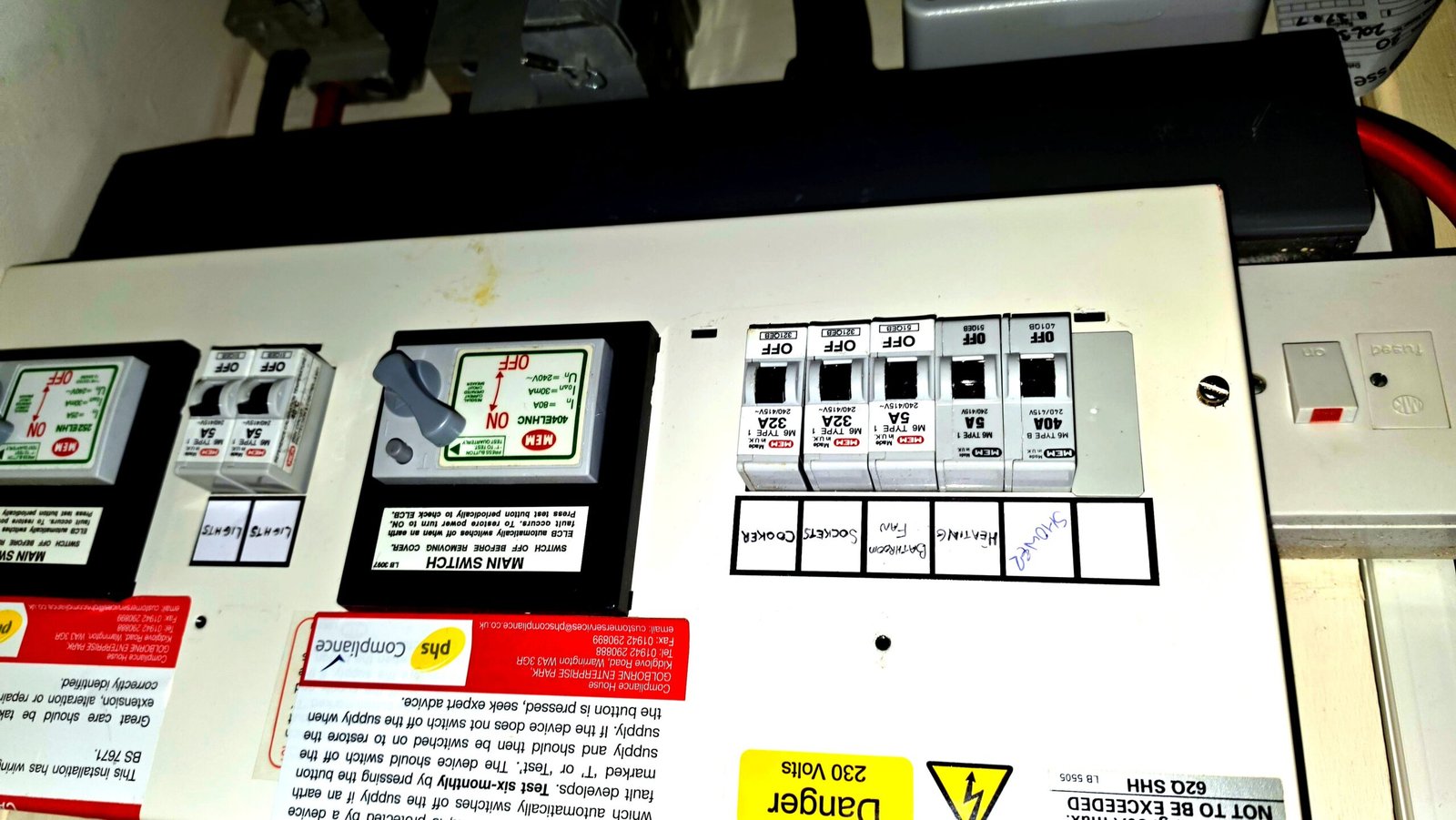
If you own or rent a flat in Aberdeen, you might assume an EICR is the same job as it is for a house. It isn’t. Flats — particularly the granite tenement blocks that make up so much of Aberdeen’s housing stock — come with a set of electrical complications that simply don’t exist in…
-
What an EICR in Aberdeen Actually Involves — A Local Electrician’s Honest Guide (2026)
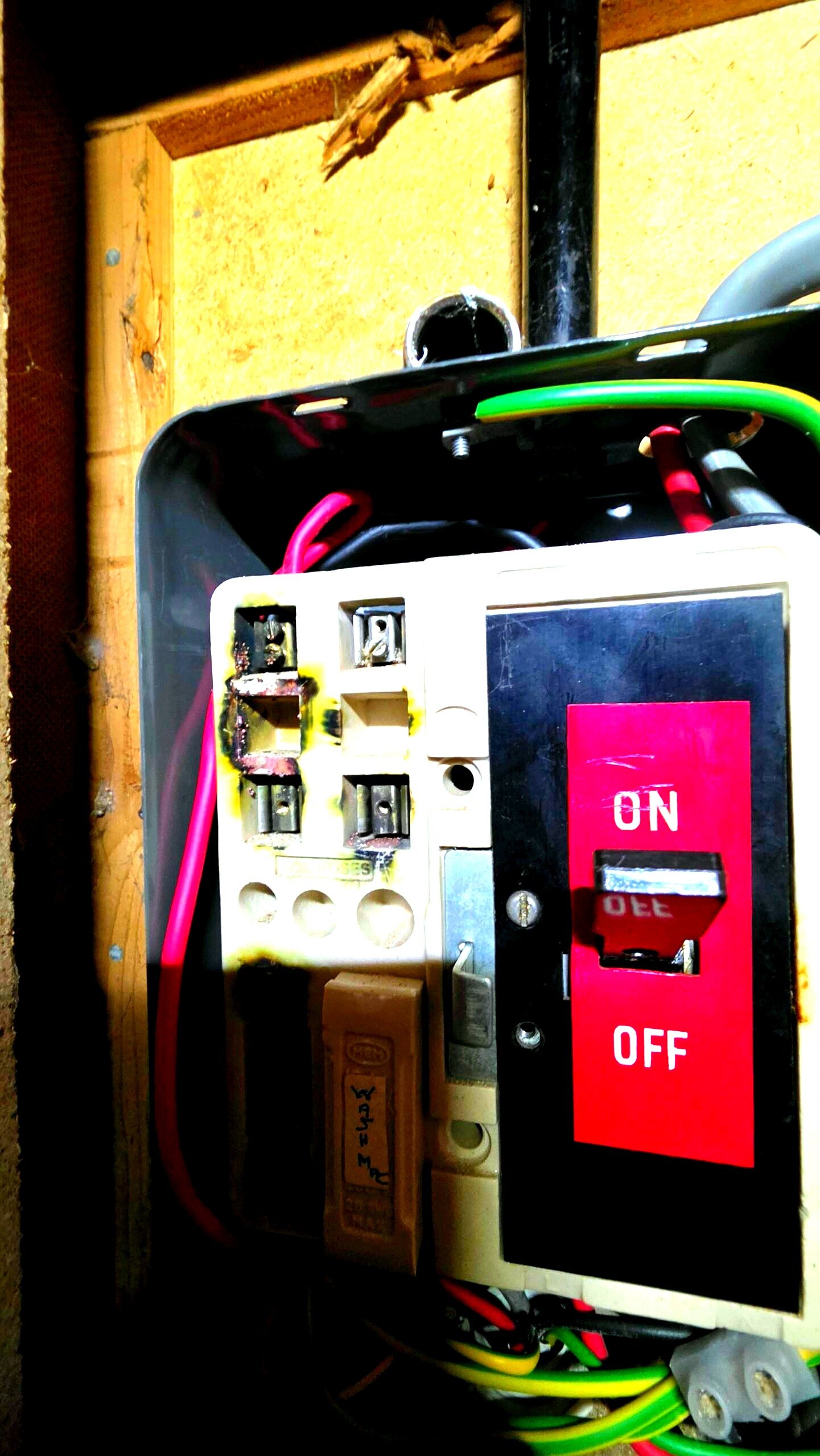
Find out what an EICR in Aberdeen actually involves, how long it takes, and what to do when issues are found. Book with a NICEIC approved electrician.
-
How Long Does a House Rewire Take? A Scottish Electrician’s Honest Guide (2026)
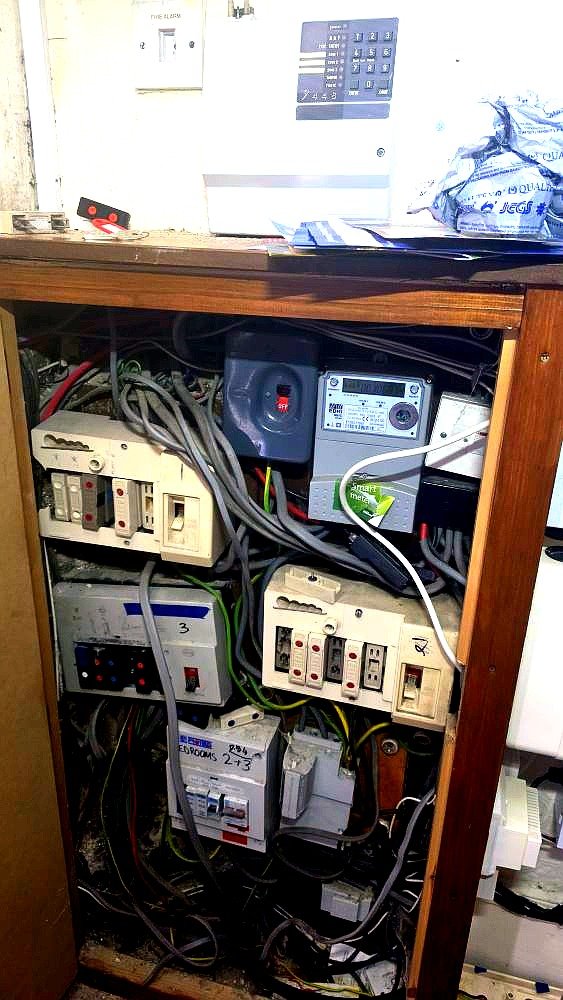
Wondering how long does a house rewire Aberdeen take in Scotland? A NICEIC electrician gives honest timescales by property size and type. Get a free quote today.