Skip to main content Skip to footer
Comprehensive Electrical Installation Services by Professional Installation Companies
Electrical installation services by professional installation companies ensure safe, efficient power distribution in homes, businesses, and renewable energy systems. Faulty wiring, outdated panels, or incorrect EV charger setups pose fire hazards, code violations, and operational disruptions. This guide maps out core electrical installation concepts, residential and commercial applications, EV charger integration, solar panel services, key safety regulations, and criteria for choosing top installation companies. By understanding each aspect—from wiring components to certification standards—you can secure reliable installations, maximize energy efficiency, and partner with contractors who deliver compliance and peace of mind.
What Are Electrical Installation Services and Why Are They Essential?
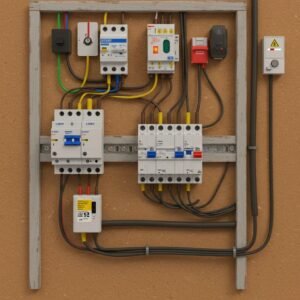
Electrical installation services involve the design, assembly, and commissioning of wiring systems, panels, outlets, lighting, and protective devices to deliver power safely and reliably. Proper installations mitigate fire risks, maintain code compliance, and support increasing energy demands in 2025’s evolving market. For example, upgrading an outdated fuse box to a modern circuit breaker panel prevents nuisance trips and supports high-demand appliances without overloading circuits.
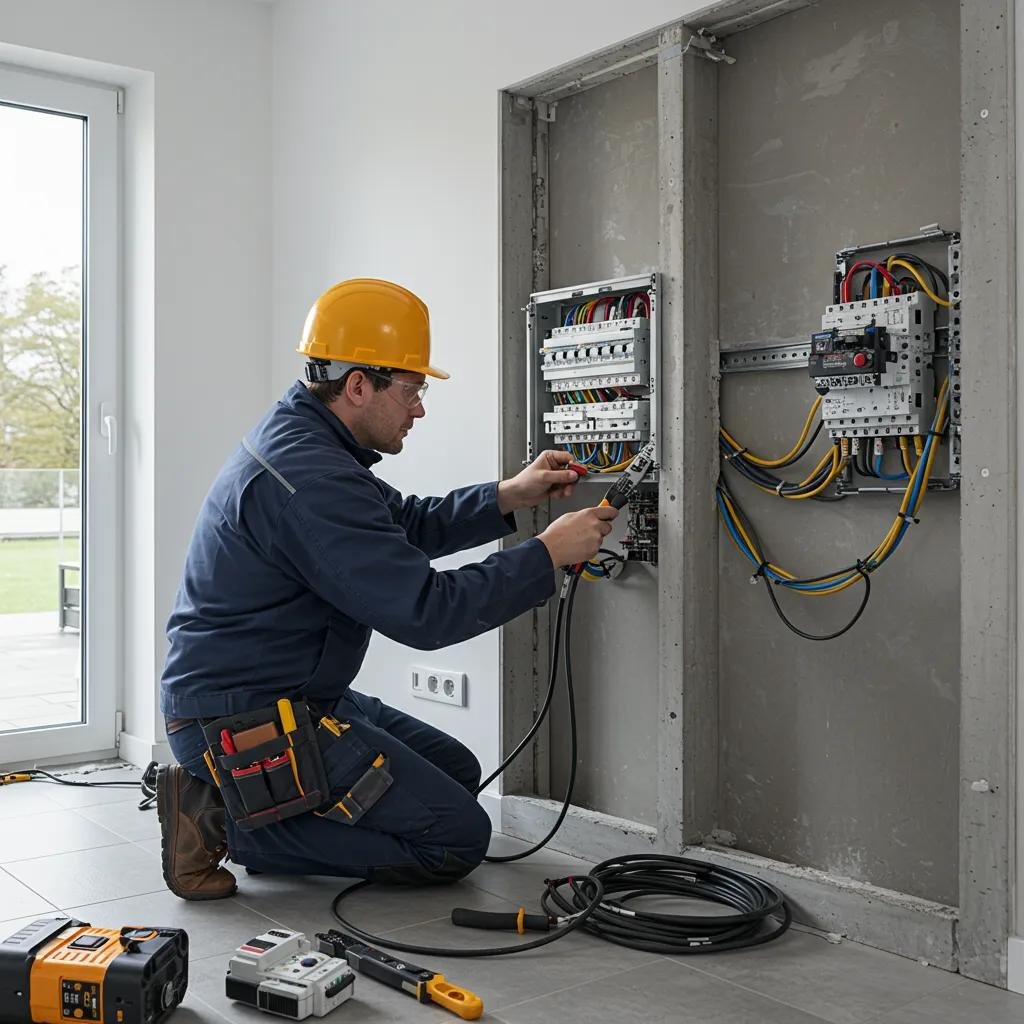
Installation companies manage a range of tasks that extend from initial site surveys through final safety inspections. Certified electricians calculate load requirements, select appropriate conductors, and implement protective measures to ensure uninterrupted operation. These services preserve property value, reduce energy waste, and protect occupants from shock hazards, establishing a foundation for more advanced systems like smart home integration or renewable energy.
Below is a breakdown of typical electrical installation components and their functions:
Each component plays a vital part in system integrity, and understanding these pieces prepares us to examine how certified installation companies enforce safety and compliance.
What Does Electrical Installation Include for Residential and Commercial Projects?
Residential and commercial installations share fundamental tasks—circuit design, conductor sizing, protective device selection—but differ in scale, load demands, and regulatory complexity. Residential work often involves single-phase circuits, lighting design, and small panel upgrades, while commercial projects require three-phase power, specialized outlets for heavy machinery, and integrated data cabling.
Key residential tasks include installing branch circuits for kitchens, laundry, and outdoor lighting. Commercial contractors handle higher amperage distribution, emergency backup power, and complex fire alarm or HVAC interfaces. Both settings demand detailed load calculations, permit acquisition, and final inspections to confirm adherence to local building codes.
Mapping these service scopes underscores the versatility of installation companies in addressing diverse electrical needs, which leads us to explore their rigorous safety and compliance practices.
How Do Certified Installation Companies Ensure Electrical Safety and Compliance?
Certified installation companies adhere to safety standards and regulatory frameworks—such as the National Electrical Code (NEC) in the U.S. or BS 7671 in the U.K.—to eliminate hazards and satisfy inspection requirements. They implement systematic testing, including continuity checks, insulation resistance measurements, and earth bonding verification, to confirm that every circuit meets defined safety margins.
- Load Analysis – Determines conductor size and protective device ratings
- Installation Audit – Verifies correct cable routing and secure connections
- Testing Protocols – Executes earth-leakage and overcurrent tests
- Final Certification – Provides compliance documentation for owner records
These steps guarantee that installations operate within specified parameters, preventing overloads, electrocution, and equipment failures while building trust in the contractor’s expertise.
Why Choose Professional Electrical Contractors for Your Installation Needs?
Engaging professional electrical contractors delivers expertise, efficiency, and liability protection that DIY attempts cannot match. Licensed electricians bring specialized training in code interpretation, advanced tools for precision testing, and access to certified materials that ensure long-term reliability. Their project management skills coordinate permits, inspections, and subcontractors, streamlining timelines and mitigating unexpected delays.
Key advantages include:
- Enhanced safety through strict adherence to standards
- Transparent pricing with detailed scope documentation
- Warranty-backed workmanship and insurance coverage
- Access to emerging technologies like smart controls and energy management systems
Selecting a reputable firm reduces risk, delivers predictable outcomes, and positions your property for future upgrades. Understanding residential workflows informs how these experts tailor solutions for every scenario.
How Do Residential Electrical Contractors Deliver Safe and Efficient Home Installations?
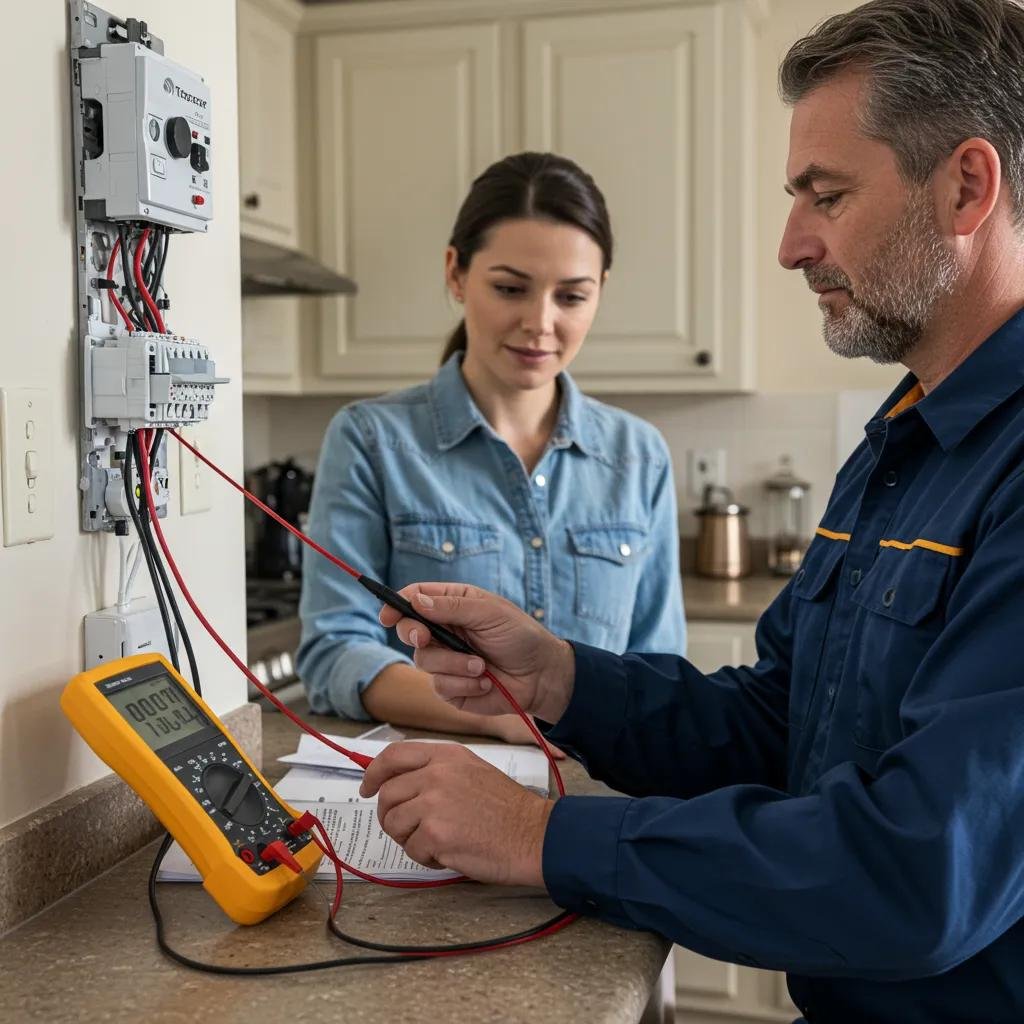
Residential electrical contractors deliver safe, efficient installations by integrating precise load calculations, modern wiring materials, and strategic placement of protective devices. Each project begins with a home energy audit to assess peak power demands and circuit distribution needs, ensuring balanced loads across phases and preventing overloads. For instance, a kitchen renovation may require dedicated 20 A circuits for the refrigerator, dishwasher, and microwave to eliminate shared-circuit interruptions.
By using copper conductors with proper gauge sizing, installers minimize voltage drop and maintain appliance performance. Ground-fault circuit interrupters (GFCIs) safeguard wet areas, while arc-fault detection devices (AFDDs) prevent fires caused by wiring faults. Coordinating with homeowners on fixture placement and load priorities ensures tailored solutions that blend safety with modern convenience.
These core practices set the stage for advanced residential offerings such as smart home integration and emergency response services, which further enhance living standards.
What Are the Key Components of Residential Electrical Wiring and Panel Upgrades?
Residential wiring and panel upgrades encompass conductor selection, breaker installation, grounding systems, and panel replacement or expansion. Core components include:
- Main Service Panel – The central junction for incoming power
- Branch Circuits – Individual circuits feeding outlets and fixtures
- Grounding Electrode System – Earth rods and bonding conductors
- Circuit Breakers – Overcurrent protection devices rated per circuit load
Residential wiring projects often involve replacing obsolete fuse boxes with modern breaker panels to accommodate new appliances and improve safety. Upgrades also include adding subpanels for workshops or garages, which distribute power more efficiently and reduce main panel congestion.
Conductor sizing and breaker coordination are critical to comply with code requirements and support future load increases, reinforcing a home’s electrical backbone and preparing for emerging technologies.
How Is Smart Home Electrical Integration Changing Residential Installations?
Smart home integration leverages networked devices—such as programmable thermostats, smart lighting, and energy monitoring panels—to optimize comfort and efficiency. Wiring installations now include dedicated low-voltage conduits and data cabling to support Wi-Fi bridges, home automation hubs, and voice-controlled outlets. For example, installing a smart breaker panel with app-based load tracking enables homeowners to monitor energy usage in real time and receive overload alerts before faults occur.
Integration steps typically include:
- Installing hub-compatible smart modules in subpanels
- Running Category 6 data cables alongside power circuits
- Configuring wireless access points for device communication
- Calibrating sensors and actuators to automated schedules
This convergence of electrical and digital infrastructures transforms how residences consume power, reduces utility bills, and lays the groundwork for advanced renewable energy interfaces.
When Should You Call an Emergency Residential Electrician?
Emergency residential electrician services are required when electrical faults pose immediate safety or operational risks, such as persistent breaker trips, flickering lights, burning odors, or live outlets. These symptoms often indicate overloaded circuits, loose connections, or insulation breakdowns that could escalate into Electrical Safety First guidances or shock hazards. Calling a certified electrician ensures rapid diagnostics, temporary power stabilization, and permanent repairs—often within hours of initial contact.
Timely intervention prevents property damage, ensures occupant safety, and avoids costly secondary failures. Understanding emergency triggers prepares homeowners to act decisively and secure reliable professional support.
What Are the Main Features of Commercial Electrical Installation Services?
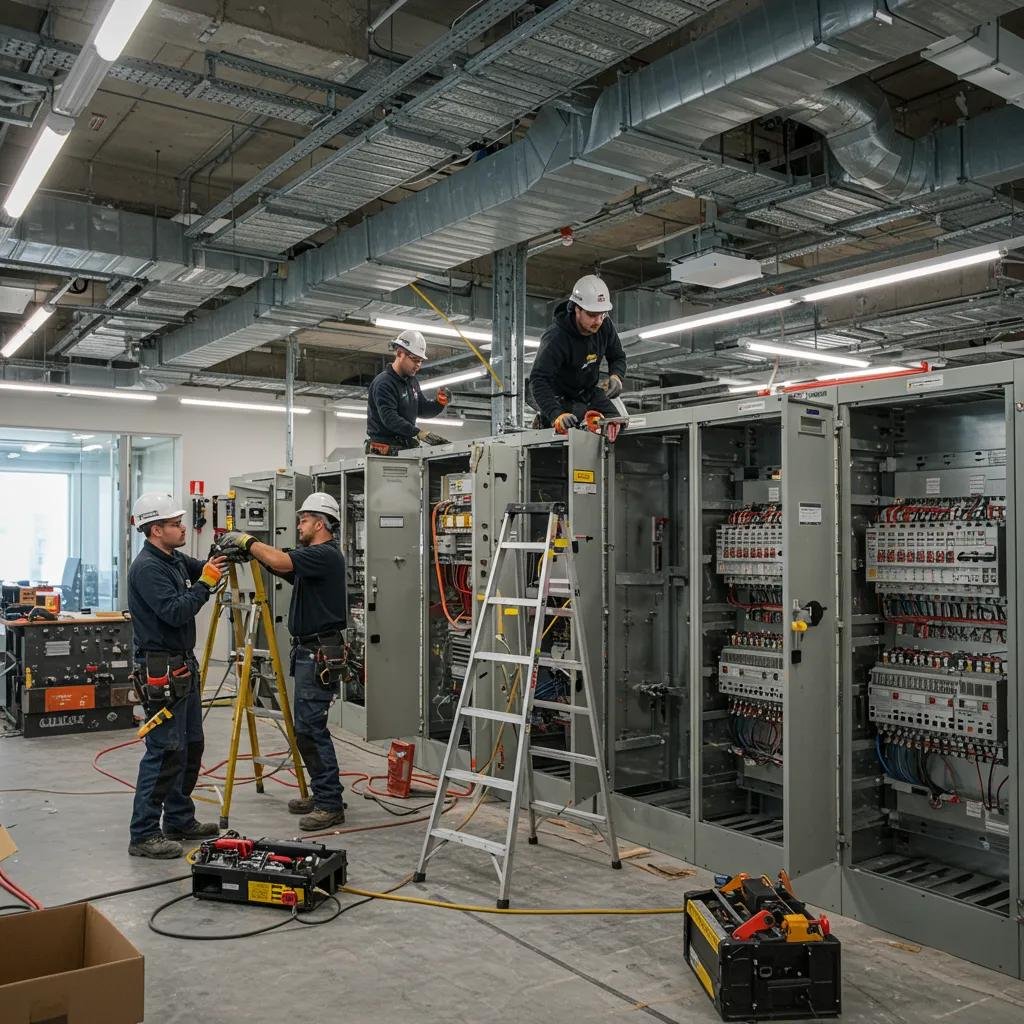
Commercial electrical installation services deliver high-capacity power distribution, specialized lighting, and integrated systems for non-residential buildings such as offices, retail centers, and industrial facilities. These projects start with three-phase power design, which supports heavy machinery and high-demand equipment while balancing loads across phases. System design also incorporates emergency lighting, backup generators, and energy management systems to maintain business continuity.
Contractors perform detailed site surveys, draft single-line diagrams, and coordinate with structural engineers to embed conduits and cable trays within building frameworks. They select industrial-grade materials—like armored cable and heavy-duty switchgear—to withstand rigorous operating conditions. By integrating smart meters and building automation controls, companies optimize energy consumption and reduce operating expenses.
This robust infrastructure sets the foundation for specialized installations such as commercial EV charging stations and solar energy systems.
How Does Commercial Wiring and Cabling Differ from Residential Systems?
Commercial wiring employs larger conductors, three-phase circuits, and robust cable management solutions compared to residential installations. Key distinctions include:
Commercial environments demand higher fault currents, strict segregation of power and data cabling, and greater capacity for future expansion. These fundamentals pave the way for best practices in lighting design and maintenance.
What Are the Best Practices for Commercial Lighting and Electrical Maintenance?
Effective commercial lighting and maintenance programs focus on energy efficiency, regular inspections, and predictive servicing. Practices include:
- LED Retrofit Upgrades to slash energy consumption and extend service life
- Scheduled Thermographic Surveys to detect hot spots in switchgear and busbars
- Preventive Maintenance Plans that cycle through breaker testing, conduit inspections, and grounding checks
- Occupancy Sensors and Daylight Harvesting Controls to align usage with real-time conditions
Implementing these measures reduces operating costs, prevents unexpected downtime, and enhances occupant comfort. Consistent maintenance underpins long-term system reliability and compliance.
How Do Installation Companies Ensure Electrical Safety and Compliance in Businesses?
Installation companies enforce safety and compliance in commercial settings by aligning with local codes, insurance requirements, and industry standards such as NFPA 70 (NEC) and ISO 50001 for energy management. They manage permit processes, coordinate third-party inspections, and deliver comprehensive compliance reports. Technicians install surge protection arrays, ensure proper bonding of metallic structures, and verify emergency power systems under load conditions.
By integrating compliance from project inception through final sign-off, contractors minimize liability, secure insurer approvals, and guarantee uninterrupted operations for businesses of all sizes.
How Do Installation Companies Handle EV Charger Installation Services?
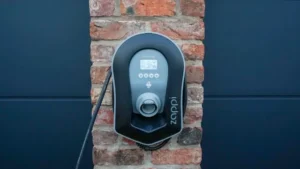
EV charger installation services provided by specialized installation companies encompass site assessment, dedicated circuit provision, charger mounting, and system commissioning. Technicians evaluate available service capacity, select appropriate charger levels, and integrate smart metering for load management. This structured approach supports safe, efficient charging operations while adhering to electrical and permitting codes.
Seamless EV charger installations prepare properties for expanding electric vehicle fleets and contribute to sustainable transportation goals, paving the way for tailored residential and commercial charging solutions.
What Types of EV Chargers Are Available and Which Is Right for Your Property?
EV chargers vary by power level, connectivity, and installation complexity. Key types include:
Level 1 suits occasional home charging, Level 2 balances speed and cost for daily use, and DC fast chargers serve fleet operators or public stations. Matching charger type to vehicle range, usage pattern, and site capacity optimizes charging performance and investment returns.
What Is the Process for Home EV Charger Installation?
- Site Assessment – Inspect service panel capacity and preferred mounting location
- Permitting – Secure electrical and building permits per local codes
- Circuit Provisioning – Install dedicated 240 V circuit with proper breaker and conduit
- Charger Mounting – Secure charger on wall or pedestal and connect wiring
- Testing & Commissioning – Verify voltage, ground integrity, and communication functions
Completing each phase ensures safe operation, warranty compliance, and seamless user experience, leading naturally into commercial EV charging design considerations.
How Are Commercial EV Charging Solutions Designed and Maintained?
Commercial EV charging solutions integrate energy management systems, load balancing, and remote monitoring to serve multiple vehicles without overloading facility power. Designers size transformers, distribution panels, and metering infrastructure to accommodate peak demand. They implement networked charging stations with user authentication, payment gateways, and real-time usage analytics.
Maintenance protocols include periodic torque checks on connections, firmware updates for smart chargers, and routine inspection of cable reels. These measures sustain uptime, protect equipment investment, and deliver reliable service for commercial clients.
Can You Install an EV Charger Yourself or Should You Hire Professionals?
Installing an EV charger yourself carries significant safety, compliance, and warranty risks. Electric vehicle chargers require dedicated circuits, proper grounding, conduit routing, and adherence to electrical codes. Professional installation companies bring certified electricians, specialized tools for high-current wiring, and knowledge of permitting processes. Hiring experts ensures installation integrity, protects equipment warranties, and delivers code-compliant certifications, making professional services the safest and most reliable choice.
What Should You Know About Solar Panel Installation Companies and Services?
Solar panel installation companies design, supply, and commission photovoltaic systems that convert sunlight into electricity for residential and commercial properties. A complete service includes site assessment, load analysis, panel layout, inverter selection, structural mounting, and grid-tie commissioning. Properly configured systems reduce grid dependence, lower utility bills, and contribute to sustainability targets, with projected solar capacity reaching record levels in 2025’s market.
These installations complement traditional electrical services and align with energy management strategies, setting the stage for hybrid solar-EV systems and battery storage integration.
How Do Residential and Commercial Solar Power Systems Differ?
Commercial projects often integrate with building automation systems and leverage tax incentives or power-purchase agreements, while residential installations focus on homeowner savings and net-metering arrangements.
What Factors Affect Solar Panel Efficiency and Return on Investment?
Solar panel performance and ROI depend on orientation, shading, panel efficiency, local irradiance, and system losses. Higher-efficiency modules yield more power per square meter, while optimal tilt angles and south-facing orientations maximize energy harvest. Temperature coefficients influence output in hot climates, and inverter selection affects conversion losses.
Financial factors—such as installation cost, available incentives, and electricity rates—shape payback periods. Understanding these variables enables accurate ROI projections and informed system sizing decisions.
How Is Solar Battery Storage Integrated into Renewable Energy Systems?
Solar battery storage integration involves coupling photovoltaic output with energy storage inverters and battery modules. During peak production, excess power charges batteries; during evenings or outages, stored energy supplies critical loads. System designers select battery capacity based on load profiles, discharge rates, and backup requirements.
Integration steps include:
- Installing a bi-directional inverter capable of managing PV and battery flows
- Configuring a battery management system (BMS) for cell balancing and safety
- Programming load-shedding priorities to optimize backup runtime
This integration extends solar benefits beyond daylight hours and enhances resilience against grid interruptions.
What Are the Steps for Designing a Renewable Energy System?
- Energy Audit – Analyze historical consumption and peak demands
- Site Assessment – Evaluate solar access, shading, and structural considerations
- System Sizing – Determine PV array and battery capacity based on load requirements
- Component Selection – Choose panels, inverters, batteries, and mounting hardware
- Electrical Integration – Plan wiring, protective devices, and grid-tie connections
- Permitting & Incentives – Secure approvals and leverage rebates or tax credits
- Installation & Commissioning – Mount equipment, wire systems, and conduct performance tests
Following a structured design process ensures optimal performance, regulatory compliance, and maximum return on investment.
What Are the Key Electrical Safety Regulations and Certifications for Installation Companies?
Electrical safety regulations and certifications validate installer competence, ensure code compliance, and protect end users from hazards. Key standards include the NEC in the U.S., BS 7671 in the U.K., and local building codes that govern wiring methods, conductor sizes, and protective device requirements. Certification bodies such as NICEIC (National Inspection Council for Electrical Installation Contracting) assess contractors through competency examinations, site audits, and ongoing assessments.
Understanding these frameworks helps customers select qualified firms and guarantees installations meet rigorous safety benchmarks.
Introduction to Electrical Installation Work and NICEIC Standards… If the work undertaken fails to meet all relevant standards, the name of … electrical contractor will be removed from the “NICEIC Approved List” ◆ Some work, such as local authority work, …Introduction to electrical installation work, Unknown Author, 2007
The NICEIC certification process is designed to ensure that electrical installation companies meet stringent U.K. standards for technical competence and safety management.
How Does NICEIC Certification Benefit Electrical Installation Companies and Customers?
NICEIC certification demonstrates that an installation company meets U.K. standards for technical competence and safety management. Certified firms undergo periodic assessments, third-party inspections, and register details with government bodies. For customers, working with a NICEIC-certified contractor ensures competent workmanship, valid completion certificates, and eligibility for insurance underwriting, fostering trust and reducing liability.
Safer Electrical Installations: Lessons Learned from Contractors… of electrical contractor members, these 75 are the only real members the NICEIC has. … on the inspection, testing and certification of electrical installations. Known as the City & Guilds …Towards safer electrical installations 1-learning lessons, Unknown Author, 1998
This certification parallels other international accreditation schemes and highlights a provider’s commitment to excellence.
What Are the National Electrical Code (NEC) Compliance Requirements?
NEC compliance encompasses device ratings, conductor ampacity, grounding methods, cable routing, and working clearances. Key requirements include:
- Sizing conductors for continuous loads at 125 percent of rated current
- Maintaining proper working space around panels and switchgear
- Implementing grounding electrode systems per Article 250
- Installing arc-fault and ground-fault protection where mandated
Adherence to NEC articles ensures safe installations, reduces fire risks, and satisfies inspection criteria, enabling smooth project approvals.
How Are Electrical Inspections, Testing, and Surge Protection Implemented?
Electrical inspections and testing protocols verify system integrity through:
- Continuity Tests – Confirm unbroken conductor paths
- Insulation Resistance Tests – Detect degraded insulation before energizing
- Polarity and Phase Rotation Checks – Ensure correct device operation
- Surge Protection Installation – Place surge arresters at service entrances and critical circuits to deflect transient voltage spikes
These quality-control measures prevent latent defects, safeguard equipment, and maintain service continuity.
Why Is Grounding and Bonding Critical in Electrical Installations?
Grounding and bonding create low-impedance paths that stabilize system voltage, facilitate protective device operation, and prevent dangerous touch voltages. Ground electrodes disperse fault currents into soil, while bonding conductors interconnect metal enclosures to eliminate potential differences. Proper grounding and bonding protect personnel from shock, preserve equipment integrity, and underpin all other safety measures in an installation.
Recognizing the importance of grounding links back to the rigorous compliance practices that define professional installation services.
Customer Perspective on Safer Electrical Installations and NICEIC Reports… detailed NICEIC assessment report is given to the contractor. … the contractor needs to take to bring his electrical work up to … , verify and certificate electrical installation work correctly. The …Safer electrical installations. Part 1: Learning lessons-the customer’s view, Unknown Author, 1999
Understanding these frameworks helps customers select qualified firms and guarantees installations meet rigorous safety benchmarks.
How Can You Choose the Best Installation Company for Your Electrical Needs?
Choosing the best installation company requires evaluating expertise, certifications, service offerings, and customer support. Top firms combine technical competence with transparent processes, clear pricing, and proactive project management. By comparing unique value propositions, you can select a partner equipped to deliver reliable, code-compliant installations that align with your budget and long-term energy goals.
Understanding these selection criteria empowers decision-makers to engage contractors who provide superior outcomes and lasting satisfaction.
What Are the Unique Value Propositions of Top Electrical Installation Companies?
Leading installation companies differentiate themselves through:
- Proprietary load-calculation software that optimizes conductor sizing
- Exclusive partnerships with equipment manufacturers for premium materials
- In-house design teams that produce 3D system layouts for clear visualization
- Comprehensive maintenance plans that extend equipment lifespan
These capabilities accelerate project delivery, reduce lifecycle costs, and reinforce a contractor’s reputation for innovation.
How Do Transparent Pricing and Reliable Service Impact Customer Satisfaction?
Transparent pricing—featuring itemized quotes, fixed-price agreements, and clear change-order policies—builds trust and prevents budget overruns. Reliable service includes consistent communication, on-time arrivals, and rapid response to service requests. Together, these factors drive higher satisfaction scores, generate positive referrals, and enhance a company’s local reputation.
By emphasizing these operational excellence attributes, customers gain confidence in the installation process and outcomes.
What Questions Should You Ask Before Hiring an Electrical Contractor?
- Licensing and Certification – Are technicians licensed and certified by recognized bodies?
- Insurance and Warranty – What liability coverage and workmanship warranties are provided?
- Project Timeline – How long will each phase take, and what milestones define progress?
- Compliance Documentation – Will the company handle permits and provide final inspection certificates?
Obtaining clear answers to these questions ensures you partner with a qualified provider who aligns with your expectations and regulatory requirements.
How Do Local Installation Companies Provide Tailored Electrical Solutions?
Local installation companies leverage regional code knowledge, established supplier relationships, and proximity to deliver customized solutions. They understand local permitting nuances, climate considerations, and community infrastructure standards. By combining national best practices with local insights, these firms optimize system designs, expedite project approvals, and provide rapid on-site support—ensuring installations perform reliably within the specific environmental and regulatory context.
Partnering with a local expert aligns technical excellence with community-driven service, concluding our comprehensive guide to professional electrical installation services.
-
EICR for a Flat in Aberdeen — What’s Different and What to Expect (2026)
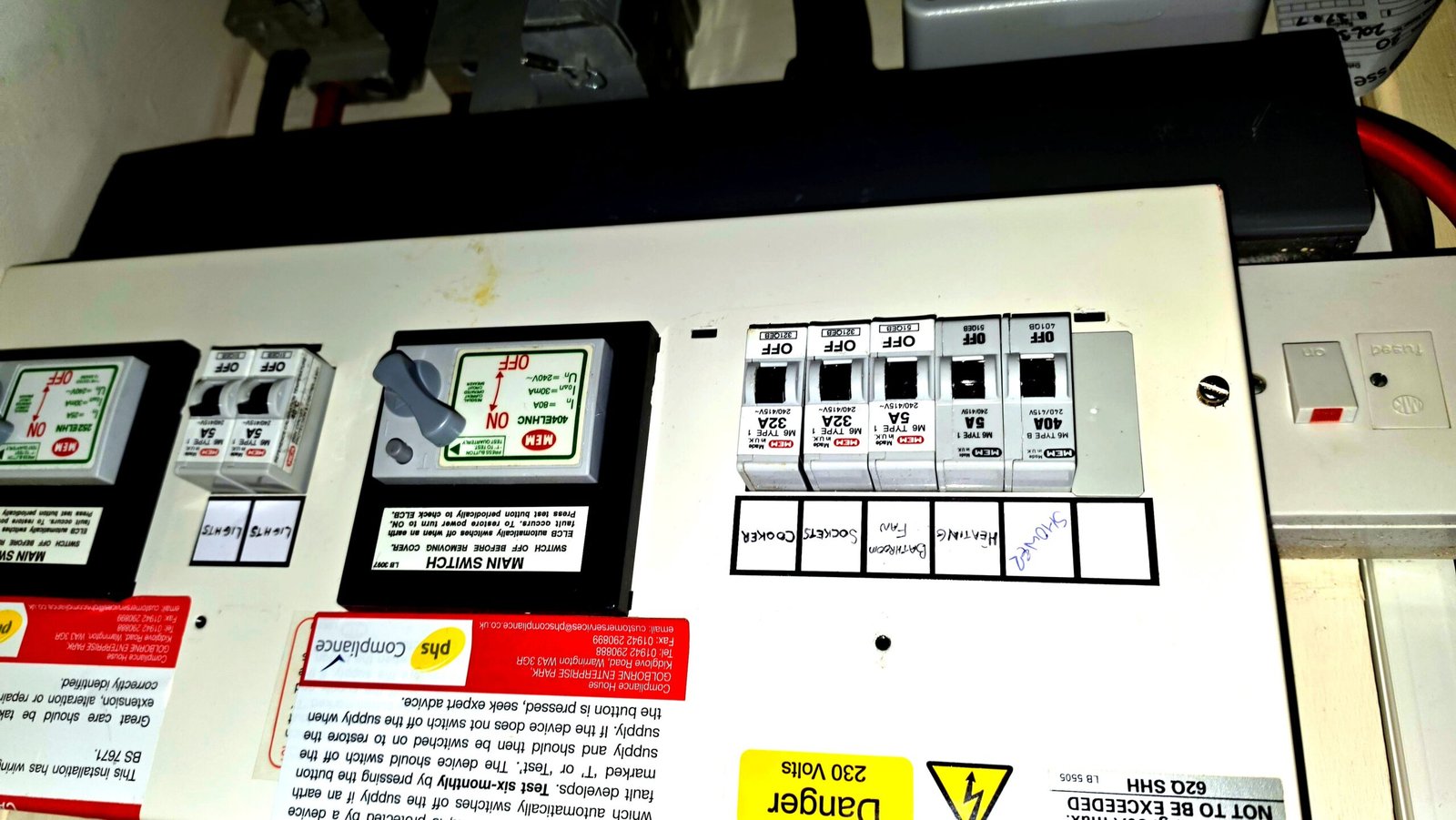
If you own or rent a flat in Aberdeen, you might assume an EICR is the same job as it is for a house. It isn’t. Flats — particularly the granite tenement blocks that make up so much of Aberdeen’s housing stock — come with a set of electrical complications that simply don’t exist in…
-
What an EICR in Aberdeen Actually Involves — A Local Electrician’s Honest Guide (2026)
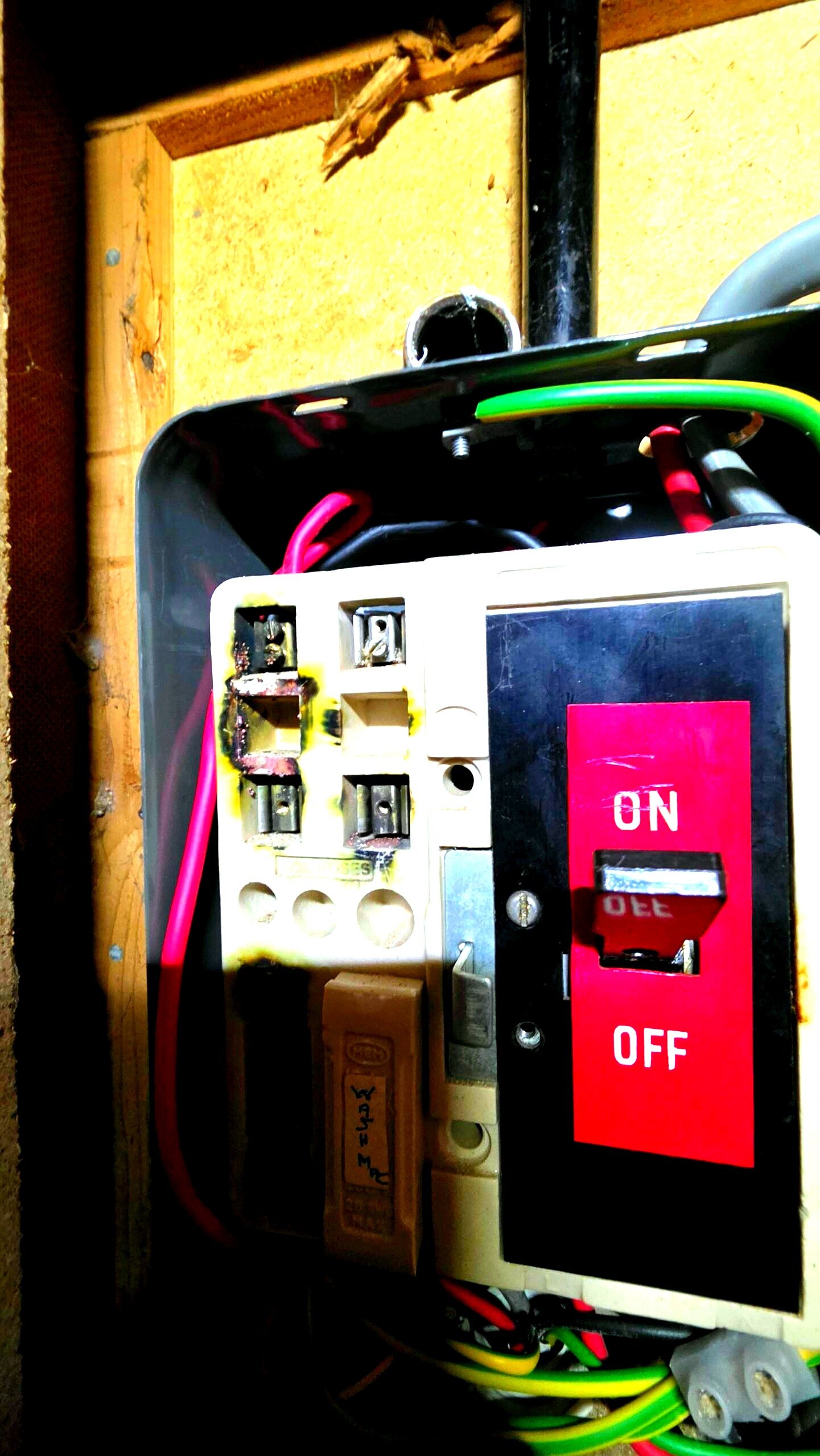
Find out what an eicr in aberdeen actually involves, how long it takes, and what to do when issues are found. Book with a NICEIC approved electrician.
-
How Long Does a House Rewire Take? A Scottish Electrician’s Honest Guide (2026)
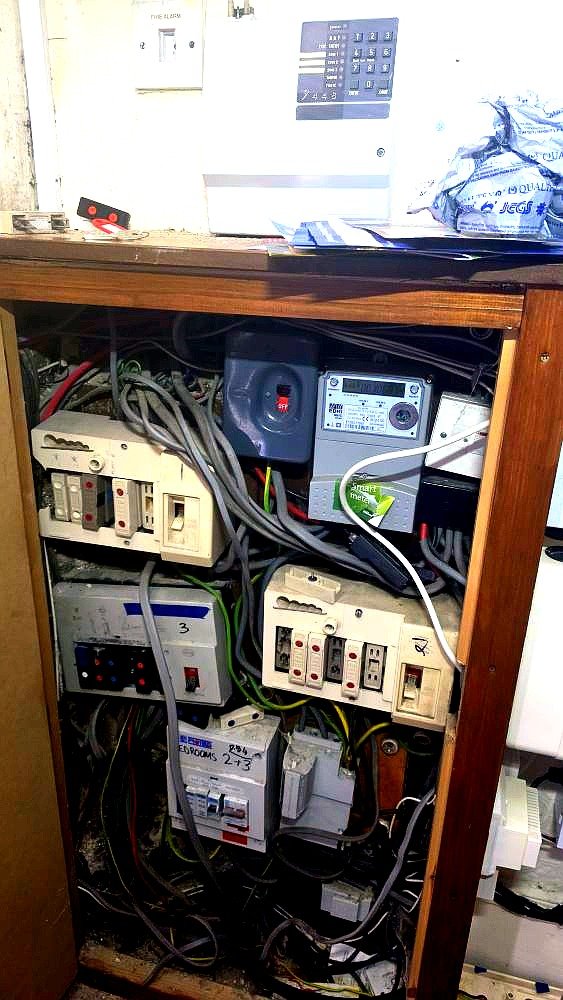
Wondering how long does a house rewire take in Scotland? A NICEIC electrician gives honest timescales by property size and type. Get a free quote today.