Skip to main content Skip to footer

2026 Electrical Industry Trends in Scotland and the UK: Key Insights and Future Outlook
The 2025 electrical industry landscape in Scotland and the UK is defined by rapid electrification, tighter safety standards, and the mainstreaming of smart technologies that change how homes and businesses consume energy. This article explains the major trends — from Net Zero-driven renewables and EV charging roll-out to BS 7671 wiring regulations amendments, eicR expectations and workforce upskilling — and gives practical steps property owners and contractors can take to prepare. Readers will learn what the changes mean locally in North East Scotland, how smart home and predictive tools alter installation practice, and which compliance actions landlords and homeowners should prioritise. The guidance is rooted in current regulatory direction and market signals so you can plan upgrades, choose appropriate equipment and engage qualified installers with confidence. The following sections map the top trends, the smart-home shift, updated safety standards, workforce evolution, preparatory checklists for owners and businesses, and why a local contractor can be a practical partner in 2025.
What Are the Major Electrical Industry Trends Shaping Scotland and the UK in 2025?
The electrical sector in 2025 is being reshaped by a cluster of interlinked trends: aggressive Net Zero targets prompting electrification, fast growth in EV charging infrastructure, wider adoption of smart-home automation, stricter safety and inspection regimes, and a move towards digital tools for diagnostics and asset management. These trends arise because decarbonisation policy, consumer demand and falling component costs make electrified and managed energy systems cost-effective; they deliver efficiency, lower emissions and operational flexibility. Understanding these trends helps homeowners, landlords and businesses prioritise upgrades, budget for compliance and choose installers familiar with modern systems. The next subsections unpack Net Zero drivers and the EV charging expansion in practical, local terms so readers can see how national aims translate into household and commercial choices.
How Is Net Zero Driving Change in the Electrical Sector?
Net Zero targets drive demand for electrification by shifting heating and transport loads from fossil fuels to electricity, which increases the requirement for distributed generation, storage and smarter load management. Policy incentives and constituency-level ambitions encourage households and businesses to adopt heat pumps, solar PV with battery storage and electric vehicles, creating new electrical scope in domestic and commercial installations. This trend raises demand for installers who can integrate renewable generation, manage export limits and coordinate with smart controls to optimise on-site energy use. For property owners in North East Scotland, the practical effect is more enquiries about solar-battery hybrids and controlled charging that reduce bills and support grid decarbonisation. Understanding these technologies and their interaction with regulatory guidance is the first step before commissioning upgrades or inspections.
Electrification of Industry: Potential, Challenges, and Net-Zero Outlook
Industry represents one of the most challenging sectors to decarbonise. With the rapidly decreasing costs of solar photovoltaics, wind power, and battery storage, the electrification of industry, coupled with renewable electricity supply, holds significant potential as a key pathway to achieving industrial decarbonisation. This paper provides a summary of the latest research concerning the feasibility of electrifying the industrial sector.
The transition to industrial electrification would necessitate substantial alterations to the energy system: large-scale increases in renewable electricity or nuclear power generation, the expansion of electricity transmission and distribution networks, fundamentally different end-use technologies for process heating, and new infrastructure for the distribution and dispensing of hydrogen. Consequently, aggressive and sustained supportive policies, alongside much broader research, development, demonstration, and deployment activities, are essential to meet net-zero carbon emission targets within the industrial sector.
Electrification of industry: potential, challenges and outlook, M Wei, 2019
Why Is EV Charging Infrastructure Expanding Rapidly Across Scotland and the UK?

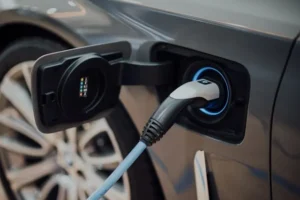
EV charging infrastructure is expanding because transport decarbonisation targets, manufacturer commitments and consumer uptake are converging to make home and workplace charging essential rather than optional. Grants and incentives, including schemes targeted at home and workplace chargers, combined with rising EV ownership, create an urgent need for qualified installers and for local network planning to manage load. Home installations must account for charger power (kW), off-street parking, cable runs and household load capacity, while businesses require commercial-grade chargers and smarter load management solutions. For householders and businesses in North East Scotland, local installers are responding to increased demand and can advise on grant eligibility and suitable hardware. After explaining why rollout is accelerating, the next paragraph introduces a practical local installer option for residents considering EV charging installation.
Faithful Spark Electricians offers local ev charger installation services tailored to household and business needs in North East Scotland, combining practical site surveys with compliant installation and testing. The company operates as a NICEIC-approved, fully insured electrical contractor based in Peterhead and serves areas including Aberdeen, Ellon, Fraserburgh, Mintlaw and Balmedie. Their approach focuses on professionalism, transparent pricing, tidy workmanship and fast local response, making it straightforward for property owners to progress from enquiry to installation. If you are planning a charger, a local installer can assess wiring, advise on charger types and explain grant pathways that may reduce upfront costs.
How Will Smart Home Technology Transform Electrical Installations in 2025?
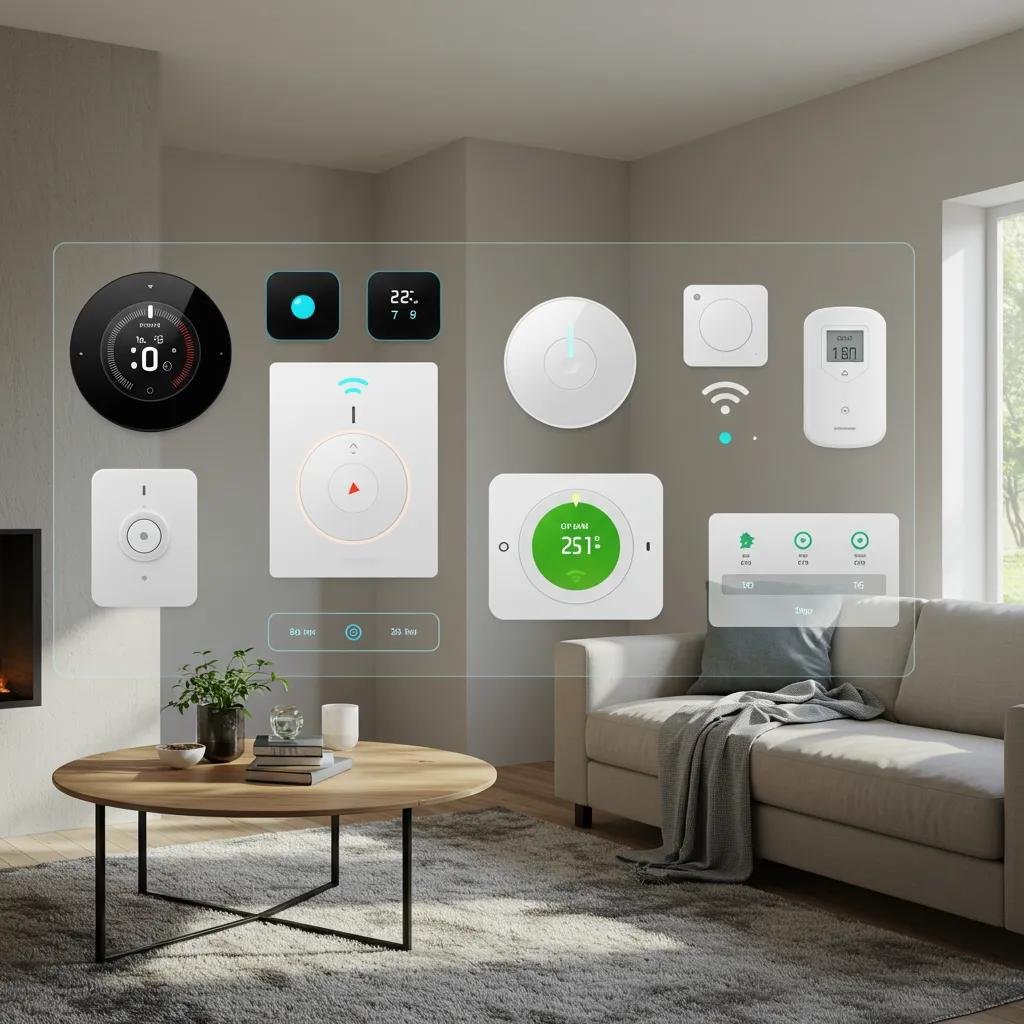
Smart home technology in 2025 changes electrical installations by shifting work from simple point fixes to integrated systems design that combines sensors, controllers, energy management and user interfaces. Installations increasingly involve energy-monitoring devices, smart heating controls, connected lighting and intelligent EV-smart charging, which together allow load balancing and efficiency improvements. This shift requires electricians to plan for networked devices, additional data cabling or reliable wireless topologies, and to consider cybersecurity, interoperability and future expansion when designing consumer units and circuit protection. As homeowners demand simple controls and demonstrable savings, electricians must balance aesthetics and function while ensuring compliance with wiring regulations and inspection requirements. The following subsections detail common smart home features and the digital tools electricians use to deliver and maintain these systems.
What Are the Key Features of Smart Home Automation and IoT in Scotland?
Smart home automation encompasses connected lighting, smart thermostats and heating controls, energy monitoring displays, smart sockets and appliances, and coordinated EV-smart charging that adapts to household generation and tariffs. These systems provide benefits such as automated schedules, remote control, tariff-aware charging, and insights into consumption patterns that support low-carbon behaviour. Installations frequently include energy meters and hub devices that aggregate data for display or cloud services, enabling homeowners to set rules that prioritise stored solar for EV charging or heating. Choosing components that interoperate via common protocols and ensuring secure installation are critical practical steps before retrofit or new-build configurations. Understanding these features helps property owners select solutions that fit their lifestyle and sustainability goals.
smart home electricians deliver measurable savings when paired with behavioural changes and appropriate hardware, and they link directly to wider trends in electrification and grid flexibility. The next section explains digital diagnostic tools and predictive maintenance approaches electricians are using to keep these systems reliable and safe.
How Are Electricians Adapting to Digital Tools and Predictive Maintenance?
Electricians are adopting thermal imaging, digital multimeters with data logging, cloud-enabled asset records and remote monitoring platforms to detect faults early and predict component failures before they cause outages. These tools allow technicians to record baseline performance after installation and to monitor trends, such as rising neutral currents or hotspots in consumer units, enabling preventive interventions. Using digital reporting improves transparency for clients and supports compliance evidence during EICRs or post-installation handovers. Locally, contractors like Faithful Spark Electricians apply digital diagnostics and structured reporting to installations, which speeds fault finding and improves maintenance planning. As predictive maintenance reduces downtime and extends component life, embracing these tools becomes a defining competence for modern electrical contractors.
What Are the Latest Electrical Safety First Standards and Regulatory Changes for 2025?
Electrical safety standards in 2025 concentrate on practical measures to manage increased electrification risks, emphasising clearer requirements for protective devices, surge protection and wiring methods aligned with updated BS 7671 guidance. Regulatory change often translates into new expectations for installers and property owners: better documentation, more rigorous testing, and an emphasis on consumer unit integrity where multiple new loads may be connected. landlord electrician Aberdeen requirements and need to ensure remedial works are timely and recorded. The subsections below summarise key BS 7671 amendments, EICR obligations for Scottish landlords and why modern consumer units are now a core safety element in many upgrades.
How Do BS 7671 Amendments Affect Electrical Installations in Scotland and the UK?
BS 7671 amendments in 2025 focus on areas such as surge protection device (SPD) guidance, earthing and bonding practices for distributed generation, and updated requirements for protective devices where EV chargers and battery inverters are present. Practically, this means installers must evaluate the need for SPDs on new consumer units, ensure correct discrimination and select appropriate RCD/RCBO arrangements to manage multiple sensitive loads. Homeowners should expect clearer recommendations in installation certificates and guidance from approved contractors on when upgrades are advisable. Understanding these amendments helps property owners prioritise actions that reduce fire and equipment-damage risk. The following table summarises amendments and installation impacts to assist readers in mapping regulation to action.
This table summarises selected 2025 BS 7671 amendments and their practical impact on typical installations.
What Are the EICR Requirements for Landlords and Homeowners in Scotland?
An EICR (electrical installation condition report) assesses the condition of fixed electrical installations and identifies defects that require remedial action; landlords must ensure properties are safe and rectifications are completed. Frequency expectations are commonly guided by the nature of the tenancy and property type, with periodic testing recommended to detect deterioration, particularly where high electrical loads or new installations are present. An EICR sets out codes for observations and required actions, and a failing report should prompt prioritised repairs by a competent electrician to return the installation to a satisfactory condition. Property owners should engage a qualified inspector who can provide clear remedial scope and test reports to support compliance and tenant safety. Knowing what an EICR covers prepares landlords to budget and schedule necessary works ahead of enforcement or tenant risk.
Why Are Modern Consumer Units Essential for Property Safety?
Modern consumer units incorporate RCBOs, RCDs and options for SPDs to provide selective protection tailored to today’s mix of sensitive electronics, EV chargers and renewable inverters. These units improve circuit-level discrimination so a single fault does not remove multiple essential circuits, and they support integration of smart monitoring and future circuit additions. Upgrading an ageing consumer unit often reduces nuisance trips, improves fault isolation and brings installations into alignment with current wiring rules, which is important for insurance and safety assessments. A properly designed consumer unit also simplifies testing and inspection and creates a safer, more resilient electrical distribution centre for a property. The next section examines workforce skills needed to install and maintain these evolving systems.
How Is the Electrical Workforce Evolving to Meet 2025 Industry Challenges?
The workforce in 2025 must combine traditional wiring competence with skills in EV systems, battery storage, renewable integration and basic IT/data literacy to configure and maintain networked devices. Employers and training bodies are emphasising cross-disciplinary upskilling, including manufacturer-specific courses, accredited testing training and digital reporting proficiency. Contractors are rethinking business models to offer packaged services that include planning, installation, testing and monitoring to meet client expectations for end-to-end delivery. This evolution creates opportunities for apprenticeships, CPD and partnerships between installers and technology providers. The next subsections spell out specific technical skills and how contractors are adjusting business practices.
What Skills Will Electricians Need to Stay Ahead in 2025?
Electricians will need competence in EV charger installation Aberdeenation, solar PV and battery storage connection practices, understanding inverter behaviour, and the ability to configure smart-home controllers and energy-management systems. Data literacy is increasingly important: logging results, interpreting performance trends and using digital diagnostic tools are now part of standard quality assurance. Formal qualifications and short courses focused on testing & inspection, renewable integration and manufacturer-specific equipment will be valuable to demonstrate capability and safe practice. Practical experience with load management and interoperability planning rounds out technical skills and helps electricians deliver reliable, compliant systems. These capabilities enable contractors to provide holistic solutions that align with Net Zero objectives and evolving regulatory expectations.
How Are Electrical Contractors Addressing Business and Industry Challenges?
Contractors address skills shortages and technology change by diversifying services, investing in diagnostic tools and offering transparent pricing and clear remedial scopes to build client trust. Many are formalising project processes that include pre-installation surveys, tailored wiring designs and documented testing to satisfy regulatory scrutiny and customer expectations. Partnerships with manufacturers and focused CPD programmes help firms stay current on equipment and installation best practice. For clients, choosing a contractor that demonstrates tidy workmanship, clear quotations and prompt local response provides practical assurance when commissioning complex upgrades. The following list outlines client-facing practices that signal competence when selecting a contractor.
- Clear written quotations that break down scope, materials and testing requirements.
- Documented testing and digital reports provided after installation or inspection.
- Evidence of relevant qualifications and adherence to recognised standards.
- Local service responsiveness and follow-up for remedial issues or maintenance.
These signals reduce procurement risk and ensure installations meet both technical and regulatory expectations. The next section gives homeowners and businesses a step-by-step checklist to prepare for 2025 trends.
How Can Homeowners and Businesses Prepare for 2025 Electrical Industry Trends?
Preparing for 2025 means prioritising safety, enabling electrification and planning for smart integration: book an EICR if your installation is aging, audit load capacity before adding EV chargers or heat pumps, and consider consumer unit replacement Aberdeens when adding multiple new circuits. Budgeting for staged upgrades and checking grant eligibility — such as schemes that support EV or renewable installations — helps manage costs while achieving compliance. Choose installers who provide site surveys and documented recommendations so you can plan phased works, and seek installers with experience in smart charging and renewable integration. The subsections below explain benefits of EV chargers and renewables, and give targeted efficiency measures to cut costs and carbon.
What Are the Benefits of Installing EV Chargers and Renewable Energy Systems?
EV chargers, solar PV and battery storage each deliver distinct benefits: chargers add convenience and lower running costs for transport, solar PV reduces imported electricity and battery storage smooths self-consumption and provides resilience. Together, these systems increase property appeal, support Net Zero objectives and can lower operational expenses over time when sized and controlled correctly. A simple comparison helps owners weigh typical returns and functional benefits across options to decide what to prioritise based on usage patterns and roof or parking constraints.
This table compares common low-carbon installations and their typical benefits or ROI.
The comparison shows how combining generation, storage and efficient use produces the greatest reduction in bills and carbon. For integrated installations, specialist installers can advise on system sizing, compatibility and grant options.
Faithful Spark Electricians provides renewable integration and smart charging expertise alongside EV charger installations and can advise on system interactions and compliant installation practices. As a niceic-approved, fully insured contractor based in Peterhead serving Aberdeen, Ellon, Fraserburgh, Mintlaw and Balmedie, they emphasise transparent pricing and tidy workmanship when delivering combined solutions. For homeowners wanting a coordinated approach to EV, solar and storage, engaging a local installer experienced in these interfaces simplifies planning and ensures correct protective measures are installed. The next subsection highlights energy-efficiency measures that further lower bills and carbon footprint.
Net-Zero Pathways: Electrification and Hydrogen in the European Energy System
Electricity- and hydrogen-based sector coupling contributes to achieving the transition towards greenhouse gas neutrality in the European energy system. Energy system and integrated assessment models demonstrate that, to follow pathways compatible with the European policy target of net-zero greenhouse gas emissions by 2050, substantial quantities of renewable electricity and H2need to be generated, primarily through scaling up wind and solar energy production capacity. Using a set of such models, under jointly adopted deep decarbonisation scenario assumptions, we show that the resulting direct penetration of electricity and H2in final energy consumption may rise to average shares of approximately 60% and 6%, respectively, by 2050. We demonstrate that electrification proves to be the most cost-efficient decarbonisation route across all economic sectors, while the direct use of H2in final energy consumption makes a relatively small, yet essential, contribution to deep decarbonisation.
Electricity- and hydrogen-driven energy system sector-coupling in net-zero CO2 emission pathways, A Fattahi, 2025
How Can Energy Efficiency Upgrades Reduce Costs and Carbon Footprint?
Energy efficiency upgrades—such as LED lighting, smart heating controls, improved insulation interaction and appliance replacement—reduce demand peaks and baseline consumption, which in turn lowers bills and makes onsite generation more effective. Smart thermostats and zoning controls enable precise heating schedules that match occupancy patterns, while energy monitoring identifies high-consumption circuits for targeted action. Typical savings depend on property and behaviour but combining insulation and smart controls with LED retrofitting often yields immediate bill reductions and improves comfort. Homeowners should prioritise low-cost, high-impact measures first and then plan for larger investments like heat pumps or battery storage as part of a staged approach. An energy audit helps set priorities and quantifies likely savings to inform investment decisions.
Why Choose Faithful Spark Electricians for 2025 Electrical Industry Innovations in North East Scotland?
Faithful Spark Electricians presents local trust signals relevant to 2025 challenges: they are NICEIC-approved and fully insured, follow BS 7671 wiring regulations and employ staff with City & Guilds 2391-52 Testing & Inspection qualifications. The company focuses on lead generation and information services while delivering practical installs across North East Scotland, including Aberdeen, Ellon, Fraserburgh, Mintlaw, Balmedie and Peterhead. Their unique value propositions include professionalism, transparent pricing, tidy workmanship, fast local response and a customer-first approach, which collectively reduce procurement risk for homeowners and landlords requiring compliant upgrades. The subsections below explain how they ensure compliance and highlight recent project types demonstrating hands-on experience with EV chargers, consumer unit upgrades and smart home integration.
How Does Faithful Spark Ensure Compliance with 2025 Electrical Standards?
Faithful Spark ensures compliance by adhering to BS 7671 wiring regulations, conducting thorough testing and inspection using City & Guilds 2391-52-qualified personnel, and providing documented reports following work completion. Their NICEIC-approved status and fully insured operations indicate adherence to recognised quality processes and liability coverage where applicable. For installations such as EV chargers or consumer unit replacements, they follow structured site surveys, design protective device arrangements and record test results to support EICR evidence and homeowner confidence. This documented, standards-based approach helps clients meet landlord or safety obligations and supports long-term asset management. The following subsection summarises recent project examples that illustrate these processes in practice.
What Recent Projects Showcase Faithful Spark’s Expertise in Emerging Technologies?
Recent project types undertaken by local contractors like Faithful Spark include domestic EV charger installations in suburban properties, consumer unit replacements to accommodate increased load and smart-home wiring to integrate heating controls and energy monitors. Projects in Aberdeen and Peterhead commonly involve upgrading old consumer units, installing dedicated circuits for tethered or untethered EV chargers and commissioning energy-monitoring devices to improve household management. These practical installations demonstrate the company’s ability to combine compliance-focused testing with tidy workmanship and clear client communication. For property owners seeking evidence of practical capability, request examples of similar local work and documented test outcomes when obtaining quotations.
Frequently Asked Questions
What are the implications of the 2025 electrical safety standards for homeowners?
The 2025 electrical safety standards introduce stricter requirements for protective devices and wiring methods, particularly in light of increased electrification. Homeowners must ensure their installations comply with updated BS 7671 guidance, which includes better documentation and rigorous testing. This means that when upgrading or installing new systems, homeowners should engage qualified electricians who are familiar with these standards to ensure safety and compliance. Regular inspections and timely remedial actions are essential to maintain safety and avoid potential hazards.
How can homeowners assess their electrical load capacity before upgrades?
Assessing electrical load capacity involves evaluating the current demand on your electrical system and determining if it can support additional devices like EV chargers or heat pumps. Homeowners can start by reviewing their existing electrical usage, checking the ratings of current circuits, and considering future needs. Engaging a qualified electrician for a load assessment can provide a detailed analysis, ensuring that any upgrades are safe and compliant with regulations. This proactive approach helps prevent overloading and potential electrical failures.
What role do grants and incentives play in the adoption of EV chargers?
Grants and incentives significantly lower the financial barrier for homeowners and businesses considering the installation of EV chargers. Various government schemes are available to support the costs associated with purchasing and installing charging equipment. These financial aids not only encourage the uptake of electric vehicles but also promote the development of necessary infrastructure. Homeowners should research available grants and consult with local installers to understand eligibility and application processes, ensuring they maximise potential savings on their installations.
What are the benefits of integrating smart home technology with electrical systems?
Integrating smart home technology with electrical systems offers numerous benefits, including enhanced energy efficiency, convenience, and improved control over energy consumption. Smart devices allow homeowners to monitor and manage their energy use in real-time, leading to potential cost savings. Features like automated schedules and remote access enable users to optimise their energy consumption based on their lifestyle. Additionally, smart systems can provide insights into usage patterns, helping homeowners make informed decisions about energy efficiency upgrades and sustainability practices.
How can property owners ensure compliance with EICR requirements?
To ensure compliance with Electrical Installation Condition Report (EICR) requirements, property owners should schedule regular inspections by qualified electricians. These reports assess the safety and condition of electrical installations, identifying any necessary remedial actions. It is crucial to address any issues highlighted in the report promptly to maintain safety and compliance. Keeping thorough documentation of inspections and repairs also supports compliance with landlord obligations and provides peace of mind regarding tenant safety.
What should homeowners consider when choosing an electrical contractor?
When selecting an electrical contractor, homeowners should consider qualifications, experience, and reputation. Look for contractors who are NICEIC-approved and have relevant certifications, such as City & Guilds qualifications. It’s also beneficial to check for customer reviews and ask for references from previous clients. A good contractor should provide clear, written quotations, demonstrate transparency in pricing, and offer a structured approach to project management. Engaging a local contractor familiar with current regulations and technologies can enhance the quality and compliance of the work performed.
How can energy efficiency upgrades contribute to sustainability goals?
Energy efficiency upgrades, such as installing LED lighting, smart thermostats, and improved insulation, play a crucial role in achieving sustainability goals. These upgrades reduce energy consumption, lower utility bills, and decrease carbon emissions, contributing to a greener environment. By optimising energy use, homeowners can support national decarbonisation targets while enhancing their property’s comfort and value. Implementing energy-efficient solutions not only benefits the environment but also aligns with the growing demand for sustainable living practices among consumers.
Conclusion
Understanding the evolving electrical industry trends in Scotland and the UK empowers homeowners and businesses to make informed decisions about electrification, safety, and smart technology integration. By prioritising compliance and engaging qualified local contractors, property owners can enhance safety, efficiency, and sustainability in their electrical systems. Embrace the future of energy management by exploring tailored solutions that meet your specific needs. Contact Faithful Spark Electricians today to discuss how we can assist you in navigating these changes effectively.