Home energy efficiency in Aberdeenshire has moved from a fringe topic to a mainstream concern over the last decade. Rising electricity prices, the spread of EVs, the gradual shift from gas to electric heating through heat pumps, and growing awareness of household carbon footprint have all pushed homeowners to think about how their property uses energy. The good news is that meaningful improvements are within reach for most Aberdeenshire homes; the practical question is which improvements to prioritise and in what order. This guide takes an honest look at the options, the realistic returns, and the right sequence of upgrades.
The right order of upgrades
Home energy efficiency improvements should generally follow a logical sequence:
- Reduce demand first. Insulation, draught proofing, LED lighting, and efficient appliances reduce how much electricity the home uses in the first place. These are typically the cheapest improvements per kWh saved.
- Make use smarter. Smart heating control, timed water heating, and behaviour adjustments reduce waste without changing the underlying systems.
- Generate clean energy. Solar PV reduces grid dependency and provides clean electricity for direct use.
- Store and shift. battery storage and time of use tariffs allow generated and grid electricity to be used at the most valuable times.
- Electrify heat and transport. Heat pumps and EV chargers complete the home electrification picture, ideally with the rest of the system already optimised.
This sequence matters. Installing a heat pump or an EV charger on a property with poor insulation and inefficient appliances delivers worse outcomes than installing the same equipment on a property where the demand has been reduced and the supply has been clean energy generated. The order maximises both the financial return and the carbon impact.
Step 1: Reduce demand
The most cost effective single step for most Aberdeenshire homes is reducing electrical demand:
LED lighting throughout
Replacing remaining halogen and incandescent bulbs with LED equivalents typically saves 70% to 85% of the lighting electricity consumption. The payback on each bulb is usually under 12 months at current electricity prices. Cost: £4 to £15 per LED bulb depending on type. For a typical 3 bedroom Aberdeenshire home, complete LED upgrade costs £80 to £200 and saves approximately £80 to £150 per year on lighting electricity.
Efficient appliances
When replacing kitchen and laundry appliances at end of life, choosing energy efficient models (A or A+ rated) reduces consumption meaningfully. The marginal cost of efficient over standard models is typically modest and the running cost savings accumulate over the appliance’s 10 to 15 year service life.
Standby and phantom loads
Modern homes have many devices drawing power on standby: TVs, set top boxes, computer equipment, charging cradles, and similar. Eliminating standby loads through smart sockets, switched extension leads, or simply turning off devices at the wall saves 5% to 10% of typical residential electricity consumption.
Insulation and draught proofing
While not strictly an electrical upgrade, insulation directly reduces heating demand. For homes with electric heating or planning a heat pump installation, insulation is the prerequisite that makes the heat pump efficient. Aberdeenshire’s older granite housing stock often benefits from cavity wall insulation, loft insulation upgrades, and modern double glazing.
Before adding insulation around existing wiring, arrange an assessment of the affected circuits. Our guide to loft insulation over electrical cables explains how cable capacity can change and which checks to arrange before work starts.

Step 2: Make use smarter
Smart heating control
Smart thermostats (Nest, Hive, Tado) typically deliver 10% to 25% energy savings depending on the household routine. The savings come from heating only when occupied and at the right temperature, rather than running on fixed schedules regardless of need. Cost: £150 to £300 fitted. Payback: 1 to 3 years on a typical Aberdeenshire home with electric heating or a gas boiler.
Time of use tariffs
Octopus Agile, Octopus Go, and similar time of use electricity tariffs offer cheaper rates during off peak hours. For households that can shift consumption (washing, dishwashing, EV charging) to cheap rate windows, the savings can be substantial. Cost: free to switch tariffs. Saving: £100 to £400 per year for a household making active use of off peak windows.
Smart hot water control
For homes with electric immersion heaters, scheduling water heating during off peak periods or solar generation hours significantly reduces heating costs. Cost: £100 to £250 for the control upgrade. Saving: £80 to £250 per year depending on consumption.
Step 3: Generate clean energy
Solar PV
Solar PV is the largest single home energy upgrade for most Aberdeenshire homes. A 4kWp solar system in Aberdeenshire generates approximately 2,400 to 3,000 kWh per year, equivalent to 30% to 50% of typical household electricity consumption. The 0% VAT rate (until at least March 2027), the Ofgem Smart Export Guarantee for surplus exported to the grid, and the direct displacement of grid electricity make the financial case compelling.
Cost: £7,000 to £10,000 for a typical 4kWp installation. Payback: 10 to 15 years depending on consumption pattern and tariff. For more, see our pillar guide on solar panel installation in Aberdeen.
Step 4: Store and shift
Battery storage
A home battery stores surplus solar generation during the day for use in the evening. Without a battery, surplus solar is exported to the grid at the lower SEG rate; with a battery, the surplus is consumed in the home at the full electricity import value. The financial return on battery storage depends heavily on the household’s consumption profile and tariff.
Cost: £2,500 to £4,000 for a 10kWh battery alongside an existing solar system. Payback: 8 to 15 years on top of solar PV.
Time of use tariff with battery
Where battery storage is combined with a time of use tariff such as Octopus Agile, the battery can charge from the grid during cheap rate periods and discharge during expensive peak periods. The combined effect can deliver significantly better returns than either solar alone or battery alone.
Step 5: Electrify heat and transport
Heat pumps
Air source heat pumps are now the standard alternative to gas boilers for new heating systems in Scotland. The Home Energy Scotland grant scheme (£7,500 from 2026, may change) and the Boiler Upgrade Scheme support installations. The financial case depends on the property’s insulation, the existing heating system being replaced, and the electricity tariff.
Heat pumps work best on well insulated properties with appropriate emitter sizing. They struggle with poorly insulated homes and undersized radiators. Plan the broader insulation and emitter upgrades before or alongside the heat pump installation.
EV chargers
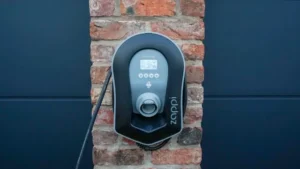
An EV charger paired with solar PV is one of the most financially compelling home energy investments. Solar generated electricity directly charges the EV during the day, displacing grid electricity at peak rates. For households with both solar and EV, the combined system can charge the car for 800 to 1,400 kWh per year from solar surplus. Cost: £800 to £1,500 for the charger and installation, less the OZEV grant where eligible. For more, see our pillar guide on EV charger installation in Aberdeen.

Aberdeenshire specific considerations
Solar generation in northern Scotland
Aberdeenshire receives less solar irradiance than southern England (approximately 1,400 peak sun hours per year vs 1,750 in the south of England). The financial returns on solar are still positive but the payback periods are slightly longer. This is offset by lower temperatures (which improve panel efficiency) and long summer days (which produce significant generation through the warmer months).
Older granite property considerations
Aberdeenshire’s older granite housing stock has specific energy efficiency challenges: thick stone walls that are hard to insulate, original sash windows that are hard to fully draught proof, and chimney flues that contribute to heat loss. Energy efficiency upgrades on these properties typically focus on loft insulation, improved windows, modern heating control, and selective wall insulation where feasible.
Heat pump suitability
Aberdeenshire’s climate is suitable for air source heat pumps. The cold winter months are within the operating range of modern heat pumps, although the heat pump’s coefficient of performance (COP) is lower at low temperatures. Properly sized installations on well insulated properties operate efficiently year round.
Rural property considerations
Off grid rural Aberdeenshire properties have a different energy efficiency picture. Solar PV with substantial battery storage is often the right answer; heat pumps need careful sizing because there is no gas grid backup. Specialist advice is needed for rural off grid energy planning.
Realistic combined return
For a typical Aberdeenshire 3 to 4 bedroom home implementing the full sequence:
- LED lighting and efficient appliances: £80 to £150 saved per year. £150 to £400 invested.
- Smart heating control and time of use tariff: £150 to £400 saved per year. £200 to £400 invested.
- Solar PV: £400 to £600 saved per year. £7,000 to £10,000 invested.
- Battery storage: £150 to £300 additional saved per year. £2,500 to £4,000 invested.
- Heat pump: Net change depends on the existing heating system and grant availability.
- EV charger: £200 to £500 saved per year on EV charging vs grid charging at peak rates.
Total combined investment: £10,000 to £15,000 (excluding heat pump). Total combined annual saving: £700 to £1,400. Combined payback: 9 to 16 years depending on choices and electricity prices over the system lifetime.
Frequently asked questions
Should I do everything at once or stage it over years?
Most homeowners stage the work over several years. The right sequence is demand reduction first, then smart control, then solar PV, then battery storage, then EV charger and heat pump where relevant. Doing them in sequence maximises the return and avoids investing in equipment that is then made redundant by later changes.
Is it worth doing solar without battery storage?
Yes for most Aberdeenshire homes. Solar without battery saves on directly consumed electricity (typically 30% to 40% of generation) and earns SEG income on the surplus exported. The financial return is positive even without battery storage. Adding battery later is straightforward.
Will my electrician handle all of this in one project?
Faithful Spark provides electrical work across solar PV, battery storage, EV chargers, smart home electricianation, and consumer unit upgrades. The work can be packaged as a single integrated project or staged across several visits depending on your preference and timeline. Heat pump installation involves heating engineers alongside the electrical work; we coordinate with heating specialists where needed.
Are there grants available for any of this?
The Home Energy Scotland grant supports heat pumps and some other measures. The Boiler Upgrade Scheme supports heat pump and biomass installation in England, Wales, and Scotland. The OZEV grant supports EV charger installation Aberdeenation. Solar PV grants in Scotland have been more limited recently but the 0% VAT rate functions as an effective grant. For more on solar funding, see our companion guide on Home Energy Scotland grants.
Should I install everything together when building or extending?
Yes, where possible. New build or major extension is the most cost effective time to install solar PV, EV charger circuits, smart home wiring, and electric heating infrastructure. Retrofitting later costs more because of the additional access work needed.
Book an integrated home energy survey
Faithful Spark provides integrated home energy surveys covering solar PV, battery storage, EV chargers, smart home installation, and consumer unit replacement Aberdeens areas we cover and Aberdeenshire. NICEIC certified, OZEV approved, and able to handle the full scope of home electrification work. See our pillar guides on solar panel installation and EV charger installation.
Faithful Spark Electricians. NICEIC Approved Contractor. OZEV approved. Local Aberdeen team. Integrated home energy services for Aberdeen, Peterhead, Ellon, Fraserburgh and across Aberdeenshire.
Related: electricians in Aberdeen | EICR in Aberdeen