
Traditional Farmhouses
Kirkton of Maryculter, West Tilbouries. Wiring added in stages over decades. Common findings: mixed cable ages, no main bonding to retrofitted services, lighting circuits without earth, old rewirable boards.
 Skip to main content Skip to footer
 Repairing Standard compliant Electrical Installation Condition Reports for the south bank of the Dee. Faithful Spark test the longer circuit runs you find in farmhouses, converted steadings and homes with outbuildings around the B9077. City and Guilds 2391-52 qualified, calibrated instruments, digital certificate. Every inspection led personally by Steven Watt.
Maryculter sits in rural Aberdeenshire, on the south bank of the River Dee about seven miles south west of the city centre. It is in the North Kincardine ward, not Aberdeen City, even though the AB12 post town label reads Aberdeen. That distinction matters when a landlord registers a let or a council asks for a certificate. The properties along the B9077 South Deeside Road tend to be larger: traditional farmhouses with outbuildings, converted steadings and smallholdings around Kirkton of Maryculter and West Tilbouries. An EICR here rarely stops at the consumer unit and a few sockets. There are detached garages, former agricultural supplies and workshop runs to test, so the inspection takes longer and records more findings. Steven Watt carries out every Maryculter EICR himself.

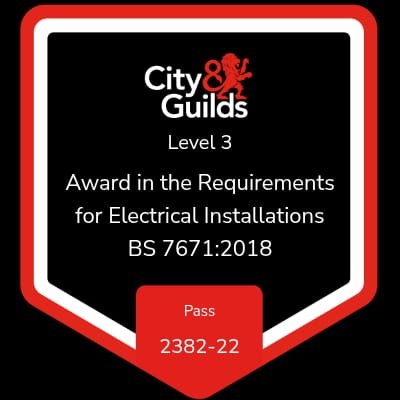

Steven Watt's inspection and testing award leads here, because an EICR is only legally valid if the inspector holds 2391-52. Held on top of our NICEIC approved contractor status and SELECT membership.
Rural lets have a legal cycle. Owners do not, but there are good reasons to test a larger Deeside home anyway.
Every private rental in Scotland needs a satisfactory EICR at least every 5 years under the Repairing Standard. Aberdeenshire Council, not Aberdeen City, holds the landlord register here.
A Scottish Home Report does not test the fixed wiring. On an older farmhouse or steading conversion an EICR shows what the survey leaves out, and informs your offer.
A clean recent EICR is reassurance for a buyer looking at a rural property with extended wiring. One fewer unknown on a home that already looks like a project.
Garages, byres, workshops and former agricultural supplies often carry the oldest wiring on a plot. Worth testing before you rely on them or convert them.
No legal mandate for owner occupiers. Electrical Safety First recommends a check at least every 10 years, and that is wise on a home you intend to keep.
Inherited a property, or holding an old certificate you do not understand? We read the C1, C2, C3 and FI codes back to you in plain English.
Maryculter's housing is overwhelmingly rural and detached. Knowing which type you have tells the inspector where the time and the findings are likely to be.
Kirkton of Maryculter, West Tilbouries. Wiring added in stages over decades. Common findings: mixed cable ages, no main bonding to retrofitted services, lighting circuits without earth, old rewirable boards.
Former agricultural buildings turned into homes. Common findings: long supply runs from the original farm, surface wiring in damp outbuilding zones, missing RCD protection on older sections.
Modern detached houses on generous plots. Generally fewer findings, but more circuits than a city flat. Detached garages and EV charger circuits add to the schedule.
Paddocks, workshops, stables, former byres. The most varied wiring on a Maryculter plot. Often the source of the C2 and FI findings on an otherwise sound report.
The same method on a let cottage off the South Deeside Road or a large detached home with a workshop. Methodical, documented, certified.
Call 07304 027013 or use the form. Tell us the address, the size, and crucially what outbuildings, garages or former farm supplies need testing. That detail lets us schedule enough time for a rural plot.
Visual inspection plus calibrated dead and live testing of every circuit. Continuity, insulation resistance, polarity, RCD operation, earth fault loop impedance. A farmhouse with outbuildings often runs longer than a town property.
Each issue recorded as C1 (danger present), C2 (potentially dangerous), C3 (improvement recommended) or FI (further investigation). Photographs where helpful, plain English explanation alongside every code.
Digital EICR PDF with our NICEIC registration. Sent to you, your letting agent, or to Aberdeenshire Council on request. Any remedial work quoted separately, in writing, before we proceed.
If you let a property in Maryculter, the electrical duty sits within Scotland's Repairing Standard, part of the Housing (Scotland) Act 2006 and in force since 1 December 2015. You must make sure the fixed wiring has a satisfactory EICR carried out to BS 7671, and that the landlord appliances you supply have been PAT tested. The first inspection happens before the property is first let, then at intervals of no more than 5 years. The duty rests with you as landlord, and you give the tenant copies of the reports.
One local point worth getting right. Maryculter is in Aberdeenshire, in the North Kincardine ward, so your let registers with Aberdeenshire Council, not Aberdeen City, even though your AB12 post will read Aberdeen. Use the correct council area on your landlord registration to avoid administrative friction.
Enforcement runs through the First-tier Tribunal for Scotland (Housing and Property Chamber). A tenant can apply, and the Tribunal can make a Repairing Standard Enforcement Order. That in turn affects your standing on the landlord register, so a current EICR is simply part of letting lawfully.
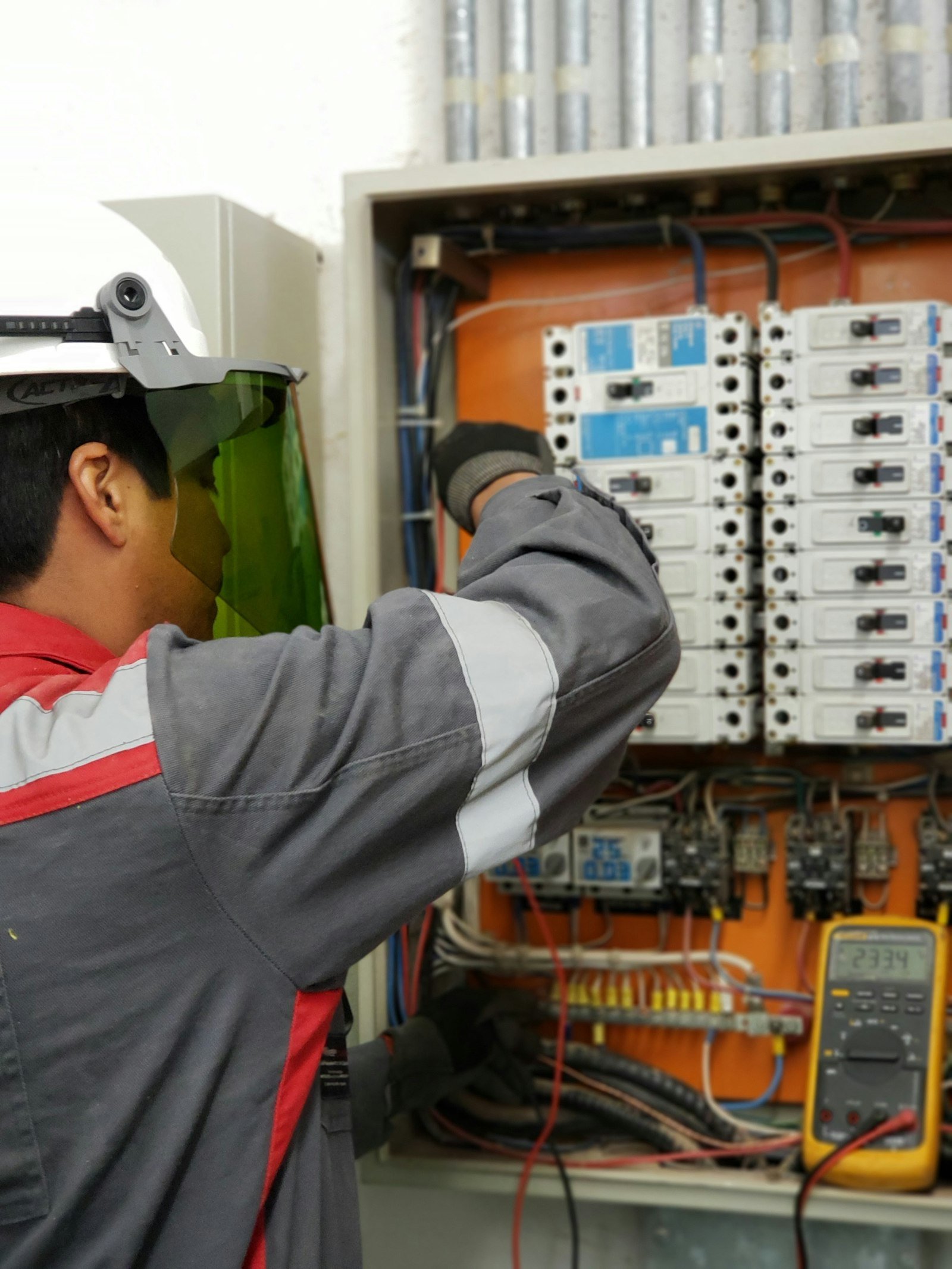
A typical city flat has one consumer unit and a handful of circuits. A Maryculter farmhouse or steading is a different proposition. Wiring has usually been added in stages over the decades, supplies run out to detached garages and workshops, and former agricultural buildings often retain their own boards and sub mains.
That means more to inspect and more to test, so a thorough rural EICR takes longer. It also tends to record more C2 and C3 items, especially in outbuildings, garages and old farm supplies, where wiring is older, weather exposed, or never brought up to current standards. None of that is a reason to delay. It is the reason to use an inspector who tests the whole installation properly rather than the house alone.
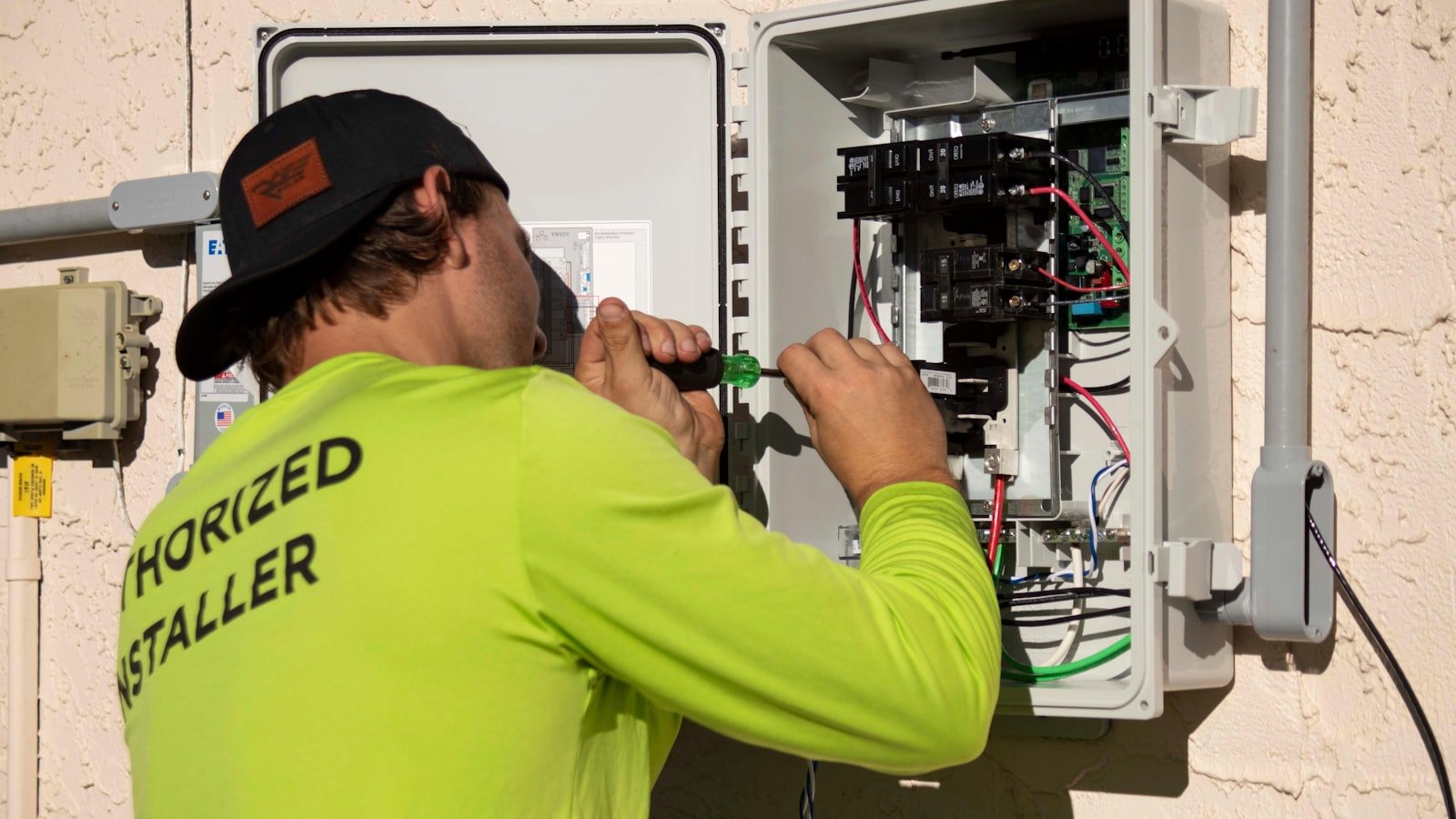
Every issue an inspector finds is given one of four codes. The codes decide the overall outcome of the report and how quickly anything needs attention.
A report is recorded as unsatisfactory if it contains any C1, C2 or FI. A report with only C3 items is satisfactory. On rural properties the C2 and C3 items, when they appear, are most often in outbuildings and on the oldest sections of an extended installation.
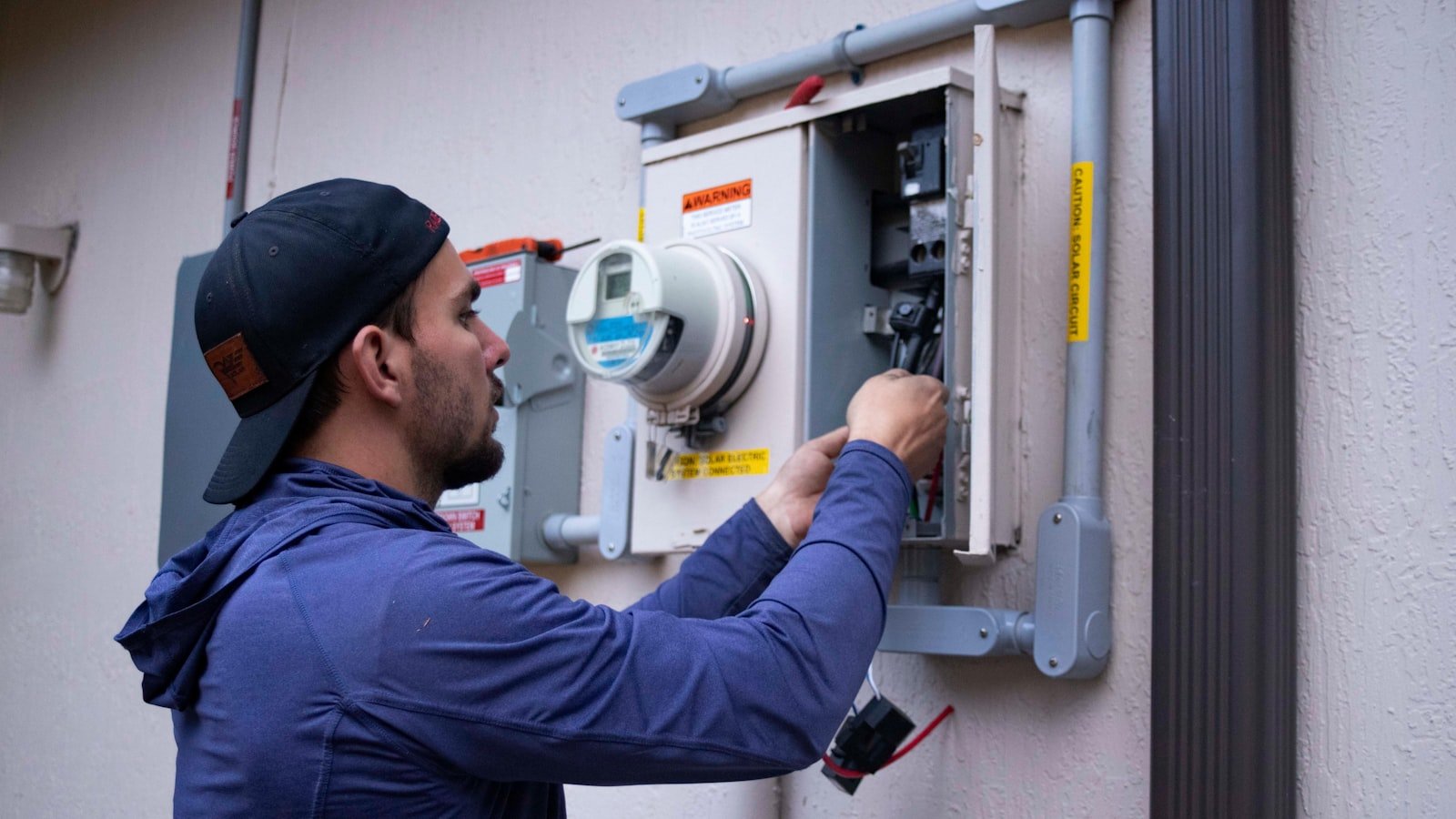
An EICR is a thorough document. The inspector works through the installation in a logical order, records every reading and visually checks every accessible accessory, in the house and in any outbuilding on supply.
For a larger Maryculter home with outbuildings, plan for a longer visit than a city flat would need. The inspector needs brief access to every room and to each board, and the supply is interrupted briefly per circuit during testing.
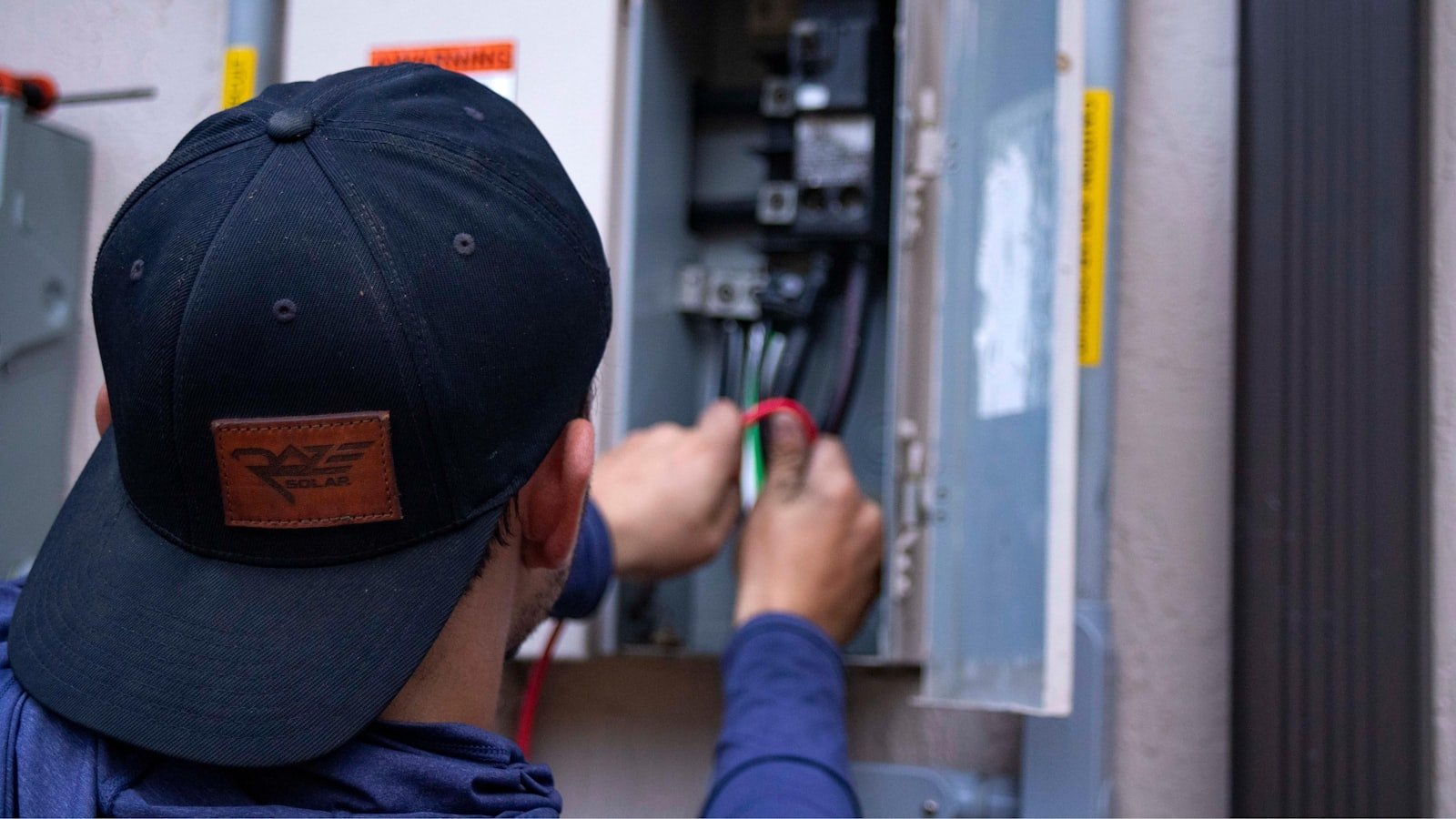
There is no legal requirement for an owner occupier in Maryculter to hold an EICR. Electrical Safety First recommends a check at least every 10 years, against 5 yearly or change of occupancy for rentals. But the moment people most often book one is around a sale.
We are happy to walk a buyer or seller through the findings so the report is useful in a negotiation rather than just a file in a drawer.
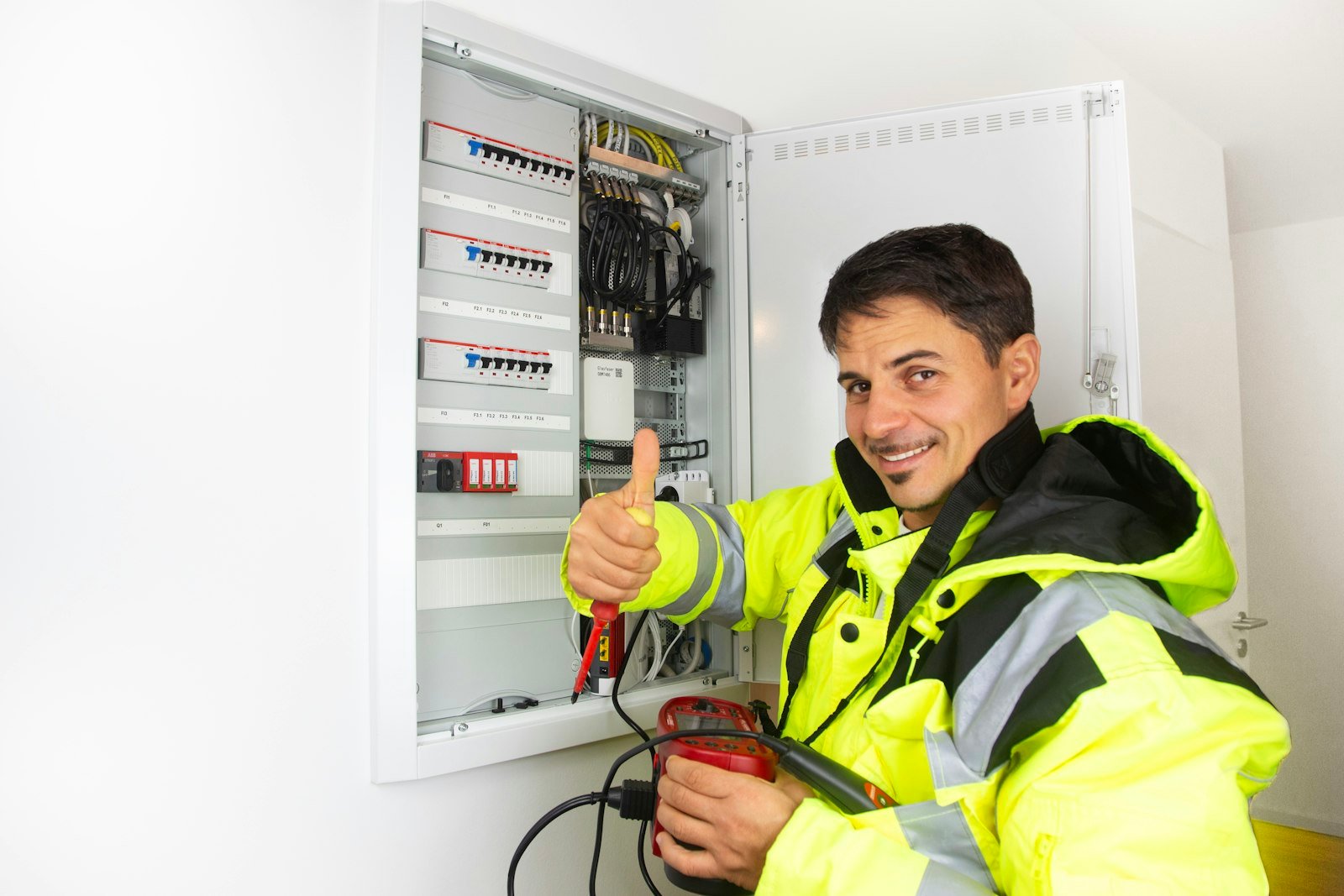
If your report comes back unsatisfactory, there is no need to panic. Most rural findings are routine, and many sit in the outbuildings rather than the living space. We walk you through every coded item in plain English and quote separately, in writing, for the remedial work. You decide what to fix and when.
Typical remedial work we carry out after a Maryculter EICR:
For a rural let, C1 and C2 defects should be put right promptly to keep the report satisfactory and your tenancy compliant. We can usually arrange a follow up visit within a week to ten working days.
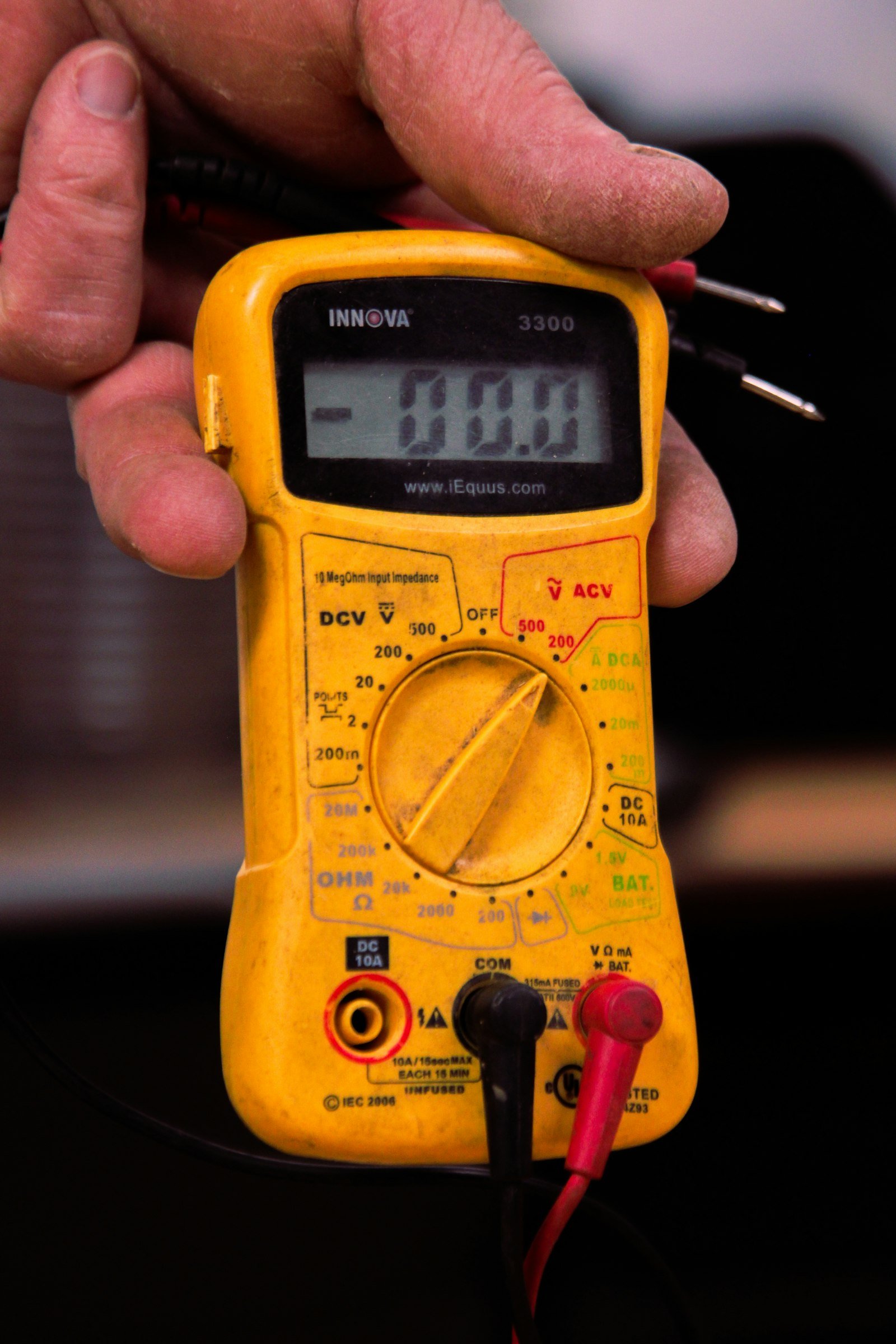
Maryculter pricing depends on size, age and the number of circuits, which on a rural plot includes the outbuildings. The ranges below are guide figures. Final quote in writing before any work.
| 1 bedroom flat or studio | £150 to £200 + VAT |
| 2 bedroom property | £150 to £255 + VAT |
| 3 bedroom property | £150 to £315 + VAT |
| 4 bedroom detached | £150 to £375 + VAT |
| Larger or multi board rural home | £150 to £500 + VAT |
| Landlord EICR (per rental) | £150 to £350 + VAT |
| HMO licensed property | £250 to £400 + VAT |
| EICR with PAT of landlord appliances | by survey + VAT |
| Aberdeenshire Council direct copy | included |
| Letting agent direct delivery | included |
| Replace damaged accessory | £50 to £100 + VAT |
| Add RCD to single circuit | £80 to £150 + VAT |
| Add main bonding | £150 to £300 + VAT |
| Investigate FI item | £75 to £150 + VAT |
| Full consumer unit upgrade | £550 to £950 + VAT |
All prices are guide ranges. A farmhouse with outbuildings is quoted on the property so the figure reflects the real number of circuits. Longer travel along the South Deeside Road is not charged as a surcharge.
Call 07304 027013Scotland's Repairing Standard requires an EICR to be carried out by a competent person. The recognised qualification for periodic inspection and testing is City and Guilds 2391, held here as the 2391-52 award, backed by membership of a scheme such as NICEIC, SELECT or NAPIT. SELECT is Scotland's own electrical trade body. Faithful Spark are an NICEIC Approved Contractor, and Steven Watt holds 2391-52 alongside the 2382-22 BS 7671 award and the 2365-03 diploma.
A certificate signed by someone without the right qualification can be challenged if a property's safety is ever questioned. NICEIC approval adds a verifiable layer, with the registration on the public register at niceic.com.
Faithful Spark Electricians is your local NICEIC approved contractor, working across Maryculter, South Deeside and the wider North East of Scotland. Every EICR is carried out personally by Steven Watt, so the person who tests your property is the person who signs the certificate.
Steven founded the business in 2023 and incorporated it as Faithful Spark Electricians Ltd on 29 August 2024. His career began as a Royal Navy Engineering Apprentice in 2001, and that discipline carries into every inspection: methodical, documented, repeatable, which is exactly what a rural property with multiple boards needs.
The business holds NICEIC Approved Contractor status, SELECT membership, City and Guilds 2391-52, 2382-22 and 2365-03, and £2 million public liability cover. NICEIC registration is searchable at niceic.com and company details are on Companies House.
No mileage surcharge for EICR work in and around Maryculter. The longer rural drive is part of the service, not a line on the bill.
Kirkton of Maryculter, the B9077 South Deeside Road, homes near Maryculter House Hotel and Templars Park.
Outlying farmhouses, steadings and smallholdings on the south bank of the Dee, including ground near The Den and The Glen.
Peterculter sits on the north bank, the far side of the river. We cover both, so a let with property on either side is no problem.
Not sure if your steading is in our patch? Call 07304 027013 and we will confirm on the same call.
Don't see your question? Call 07304 027013 or contact us and we will come back to you. You can also read our 2026 EICR cost guide for Aberdeenshire.
Aberdeenshire. Maryculter is in the North Kincardine ward of Aberdeenshire, on the south bank of the Dee, even though the AB12 post town label reads Aberdeen. Register your let with Aberdeenshire Council and a request for your EICR will come from them, not Aberdeen City.
It usually does not cost more per circuit, but rural homes have more circuits. Detached garages, workshops and former agricultural supplies all need testing, so the inspection takes longer. A larger or multi board rural property is £150 to £500 + VAT, quoted on the property so the figure is honest.
Yes. Any garage, workshop, byre or shed on the same supply is part of the installation, so it is part of the EICR. On rural plots the outbuildings are often where the C2 and FI findings turn up, which is exactly why they should be tested rather than skipped.
At least every 5 years under Scotland's Repairing Standard, and before the property is first let. You also need PAT testing of the landlord appliances you provide. You give the tenant copies of both. Owner occupiers have no legal mandate, but Electrical Safety First recommends a check at least every 10 years.
Any C1 (danger present), C2 (potentially dangerous) or FI (further investigation) code makes the report unsatisfactory. A report with only C3 (improvement recommended) items is satisfactory. We explain every code in plain English and quote separately for any work needed.
No. There is no mileage surcharge for EICR work in and around Maryculter and the South Deeside Road. The rural drive is part of the service. Your quote reflects the property and its circuits, not the postcode.
Call Steven directly on 07304 027013 or use the form for a free, no obligation written quote. Tell us about any outbuildings when you book and we will set aside enough time for a rural plot. Reports sent to your letting agent or to Aberdeenshire Council on request.
Related: Electrician in Maryculter · EV charger in Maryculter · EICR in Peterculter · EICR in Aberdeen · Maintenance & inspection · Areas we cover
Faithful Spark Electricians Ltd · Maryculter, South Deeside & North East Scotland · NICEIC Approved Contractor · SELECT member · City and Guilds 2391-52 · £2 million public liability insured