
Granite Village Core
The older granite homes around North Deeside Road. Often a rewireable BS 3036 board or an early plastic unit with no RCD. A full RCBO upgrade is the usual outcome.
 Skip to main content Skip to footer
 Fuse box and consumer unit upgrades for Culter, from the granite village cottages around North Deeside Road to the modern estates on the edge of AB14. Old rewireable fuse boards swapped for full RCBO boards to BS 7671. Led personally by Steven Watt, signed off with a certificate that letting agents, insurers and Aberdeen City Council accept.
Drive the A93 west out of the city, past Cults, Bieldside and Milltimber, and you reach Culter, the last Deeside suburb before the countryside takes over at the Culter Burn. The houses here split into two camps when it comes to the consumer unit. The granite village core along North Deeside Road and the post war streets behind it very often still run an old rewireable fuse board or an early plastic unit with no RCD protection, quietly overdue a full upgrade to the 18th Edition. The modern private estates on the fringes usually already carry a compliant RCBO board. A consumer unit, fuse board and fuse box are all the same thing, the unit that distributes and protects every circuit in the home, and in Culter the right answer is decided on site, not from a price list.
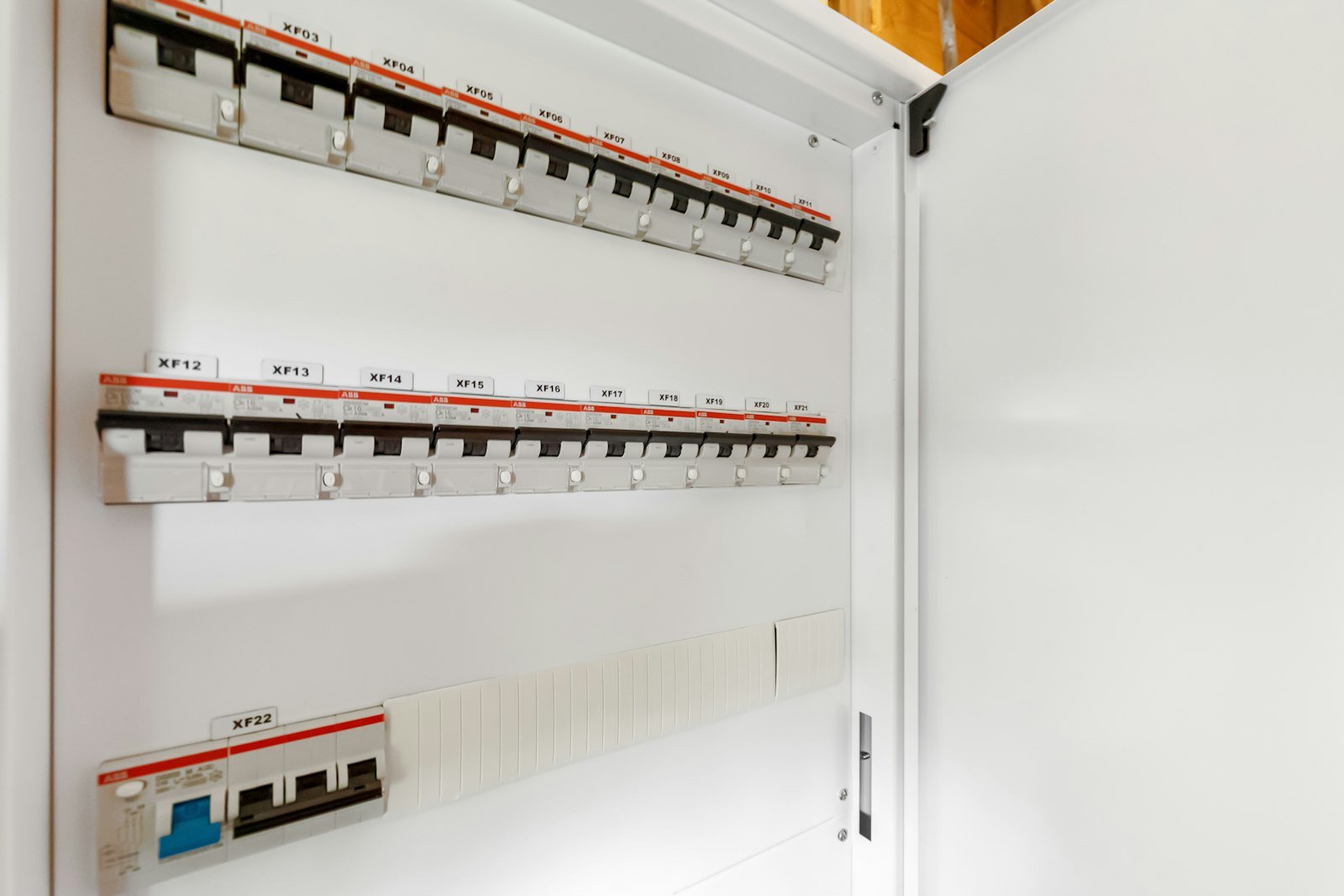
Population around 4,359 at the 2022 census, but the housing spans the best part of a century. Which board you have tends to follow which part of Culter you live in.
The older granite homes around North Deeside Road. Often a rewireable BS 3036 board or an early plastic unit with no RCD. A full RCBO upgrade is the usual outcome.
The mid century housing behind the core. Boards last touched decades ago. Split load or early Wylex and Crabtree units still in service, missing surge and AFDD provision.
The newer private estates on the western fringes. Usually fitted with a compliant RCBO board already. Generally no upgrade needed unless you add a heavy new load.
Culter is a commuter village and EV uptake is steady. A new charger circuit is the most common reason a modern board gains a way and an older board needs replacing.
A board does not have to have failed to be worth changing. These are the signs and triggers we see most often across AB14.
A board with porcelain carriers and lengths of fuse wire. No RCD, no real overload protection. The most common upgrade in the Culter village core.
An old plastic enclosure with MCBs but no residual current protection. No earth fault detection at all, which is the protection that saves lives.
The board picked up C2 codes on an inspection report. A single upgrade often clears several codes at once, the cleanest way to a satisfactory result.
A dedicated charger circuit on an older board often forces a replacement. Bundle pricing with the charger runs from £750 to £1,000 + VAT.
A renewables install adds new circuits and demands. A clean modern board, with SPD to protect the inverter, makes the integration safer and tidier.
A rewire, an extension or a kitchen refit adds circuits. The board is upgraded as part of the works and signed off on one certificate.
Heat marks, a burning smell or a buzzing board point to a loose connection arcing inside. Switch off the main switch and call the same day.
A breaker that trips with nothing obvious changing is often a device reaching the end of its life. Worth investigating before it leaves you in the dark.
The consumer unit is the central distribution box for your home's electrical installation. It takes the incoming supply and splits it into the individual circuits that serve the house: the cooker, the shower, the upstairs and downstairs sockets, the lighting, and a charger circuit if you have an electric car. Whatever you call it, fuse board or fuse box, it is doing the same two jobs, distributing the supply and protecting every circuit.
A modern board under BS 7671, the 18th Edition wiring regulations, uses a non combustible enclosure, usually metal, an RCBO on each circuit (combining overload and earth fault protection in one device), a surge protection device (SPD), and an arc fault detection device (AFDD) where it is appropriate. The big advantage of an RCBO per circuit is that a fault on one circuit trips only that circuit, leaving the rest of the house powered, rather than an older split load board taking out half the house at once.
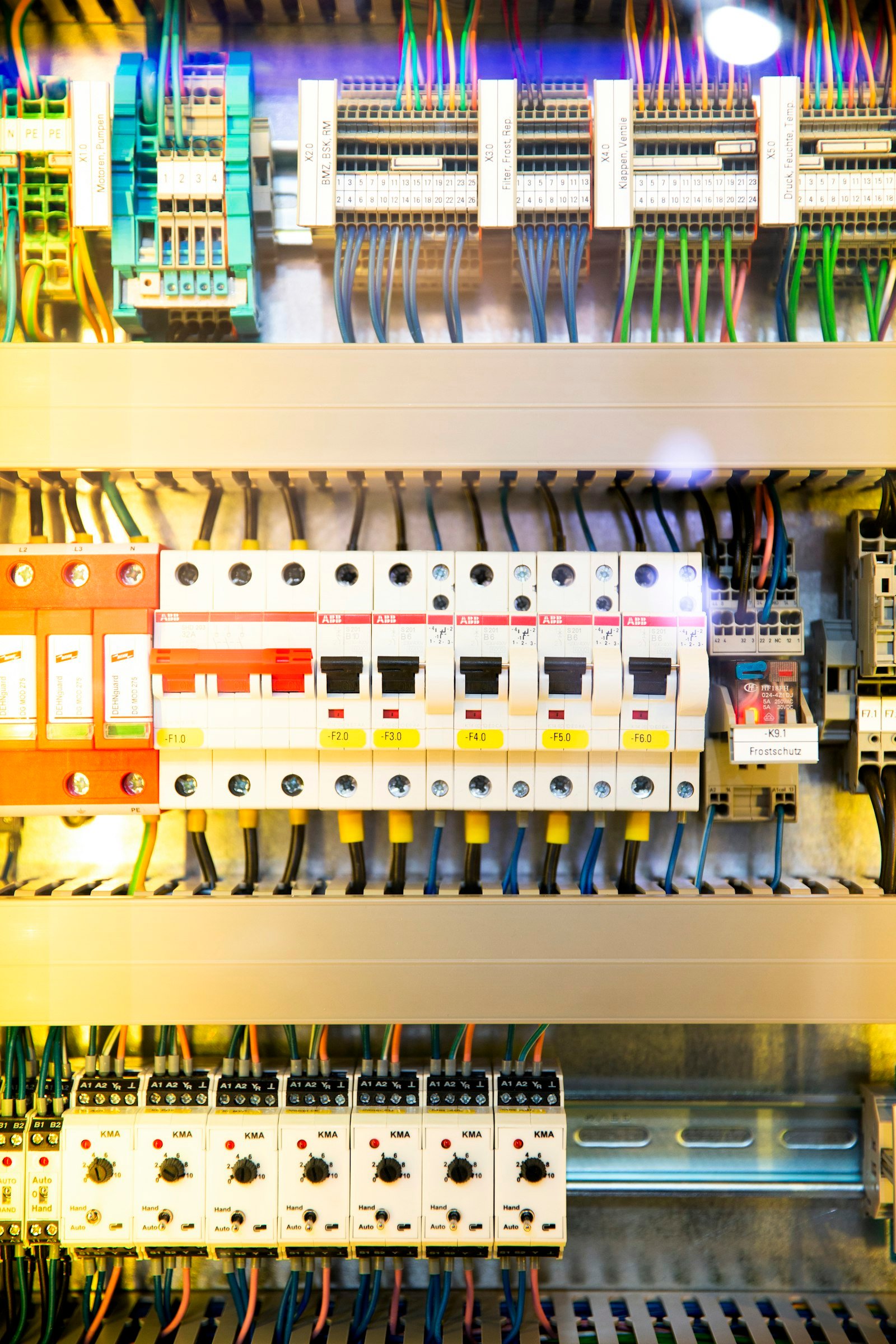
Rewireable fuse boards, the BS 3036 type, use a carrier holding a length of fuse wire that melts when too much current flows. There is no RCD, no surge protection, and no AFDD. We still find them, and early plastic enclosures with no RCD protection, in the granite homes around North Deeside Road and in the post war streets behind the village that have simply never been upgraded.
What an old rewireable or early plastic board cannot do:
A straight swap to a modern metal RCBO board takes one to two hours on site and starts at £550 + VAT for a typical Peterculter domestic supply.
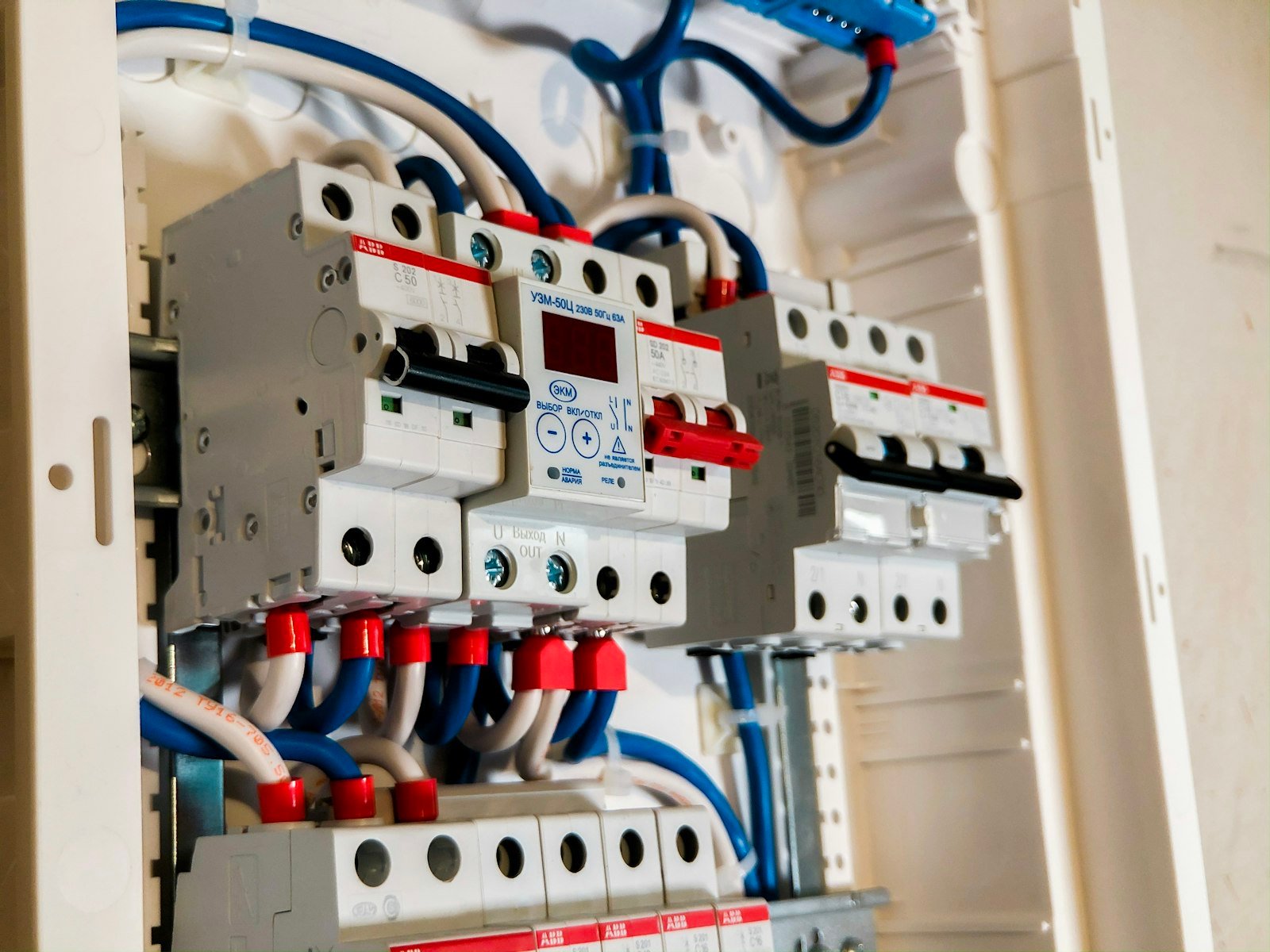
Plenty of Culter homes have moved on from wire fuses to a plastic board full of MCBs, but stopped there. An MCB protects against overload, too much current drawn through a circuit. It does nothing about an earth fault, where current leaks to earth through a person or a wet surface. That is the job of an RCD, and it is the protection that actually saves lives.
A board with MCBs and no RCD is a common find in the post war housing behind the village. It is not as old as a rewireable board, but it leaves every circuit without earth fault protection. The full RCBO upgrade gives each circuit both functions in one device, and adds the SPD that an older board never had.
We test what is there first. If a board is sound and simply needs targeted work, we will say so. Where the board is past its useful life, a full replacement is the honest recommendation.
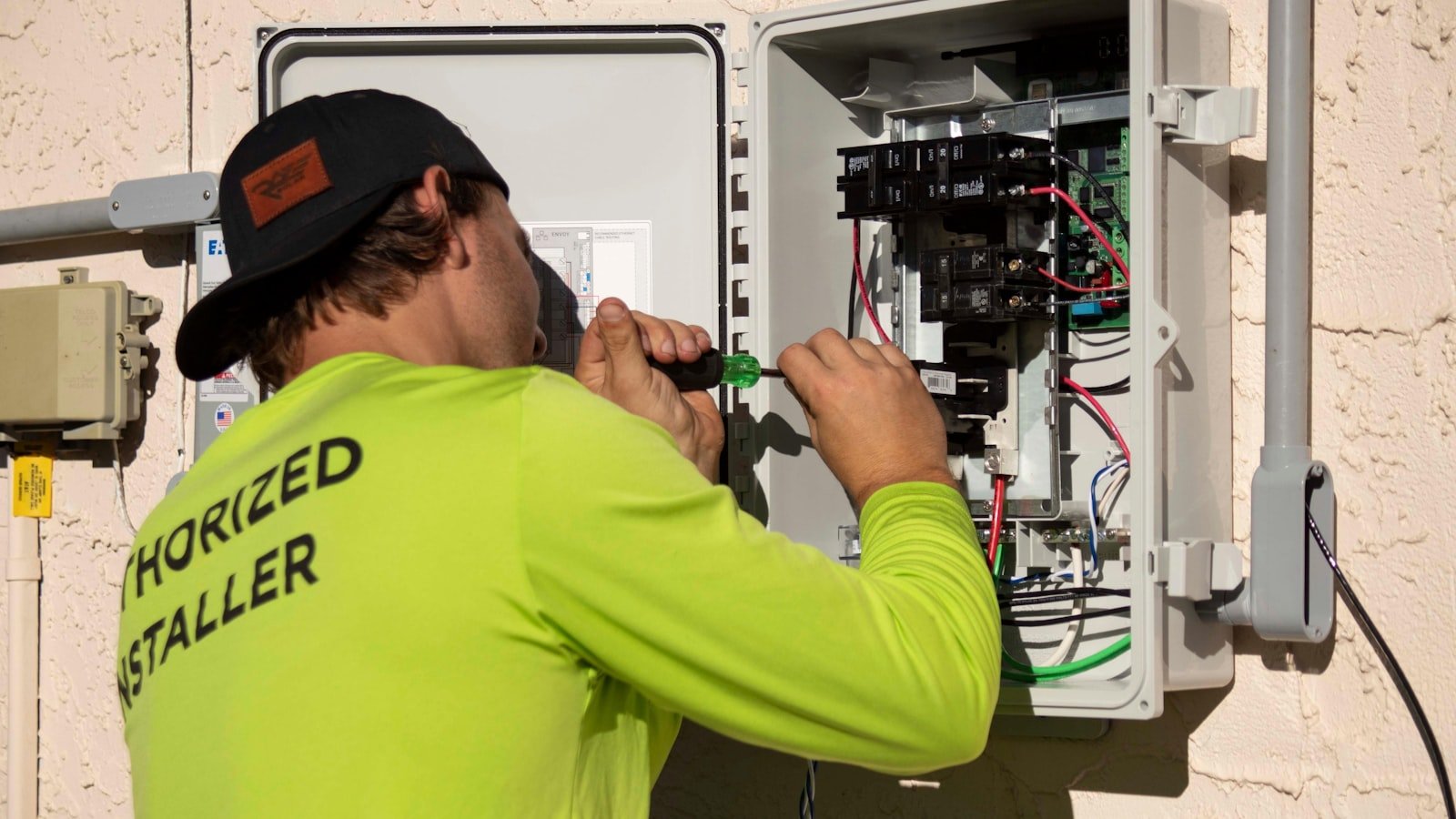
Culter is a commuter village, so home EV chargers are a steady part of our AB14 work. A charger needs its own dedicated circuit with the right RCD type. On a modern estate board that already has a free way, that is a simple addition. On an older village board it is a different story.
An older board may have no spare ways, no compatible RCD, and busbars that should not be modified. Forcing a charger onto it tends to cause nuisance tripping or simply is not safe. In those cases the clean answer is to replace the board alongside the charger install:
For the charger detail itself, see our EV charger installation in Peterculter page. Doing both together avoids a second visit later if the old board ever struggles with the added load.
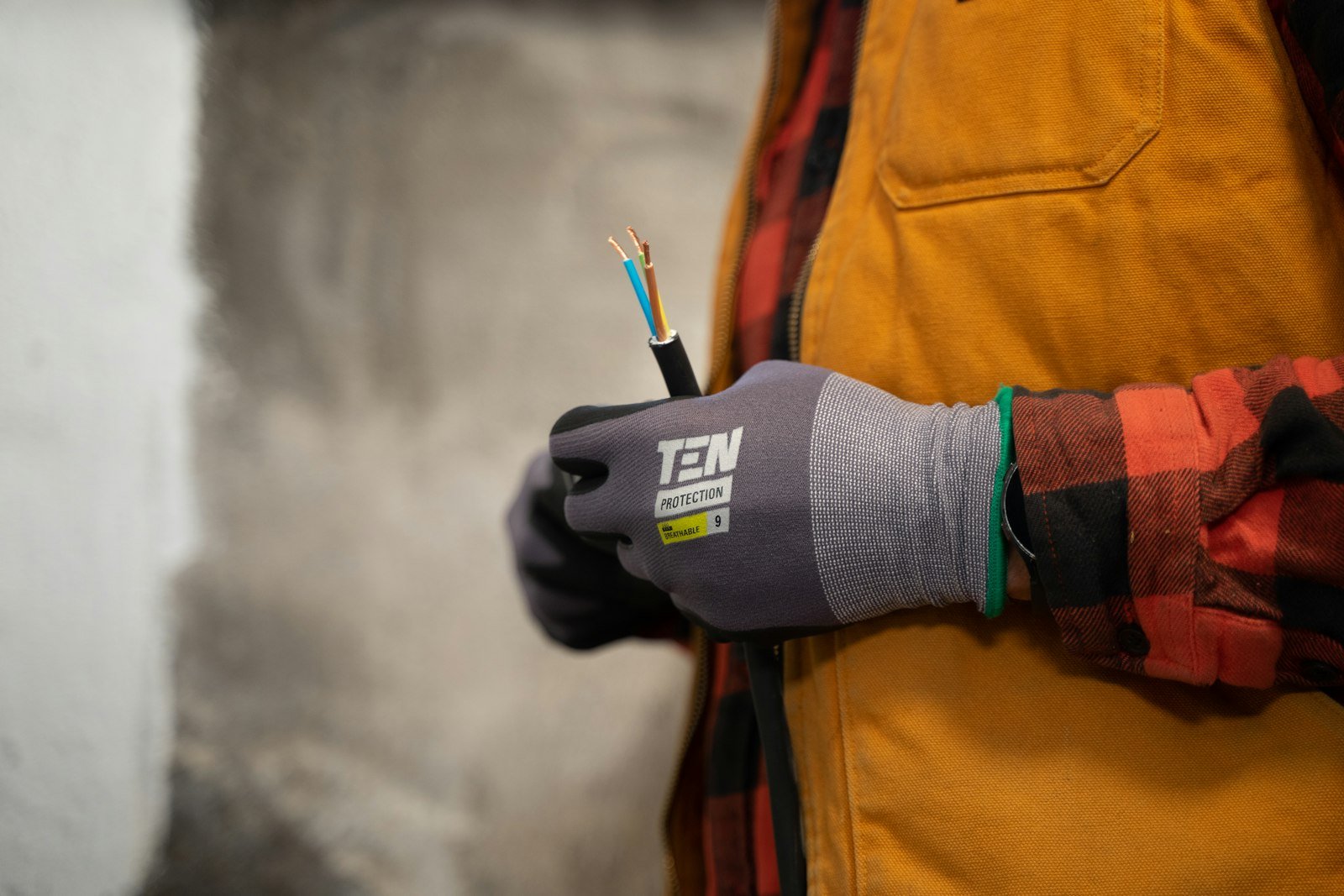
If your inspection report came back with C2 codes pointing at the consumer unit, a full board replacement is usually the fastest and cleanest fix. A single visit resolves several codes at once and gives you a fresh certificate that supersedes the old report.
Consumer unit codes we see on Peterculter reports:
Where a property needs a small number of other remedial items alongside the board, we bundle them into the same visit. For the inspection itself, see our EICR testing in Peterculter page.
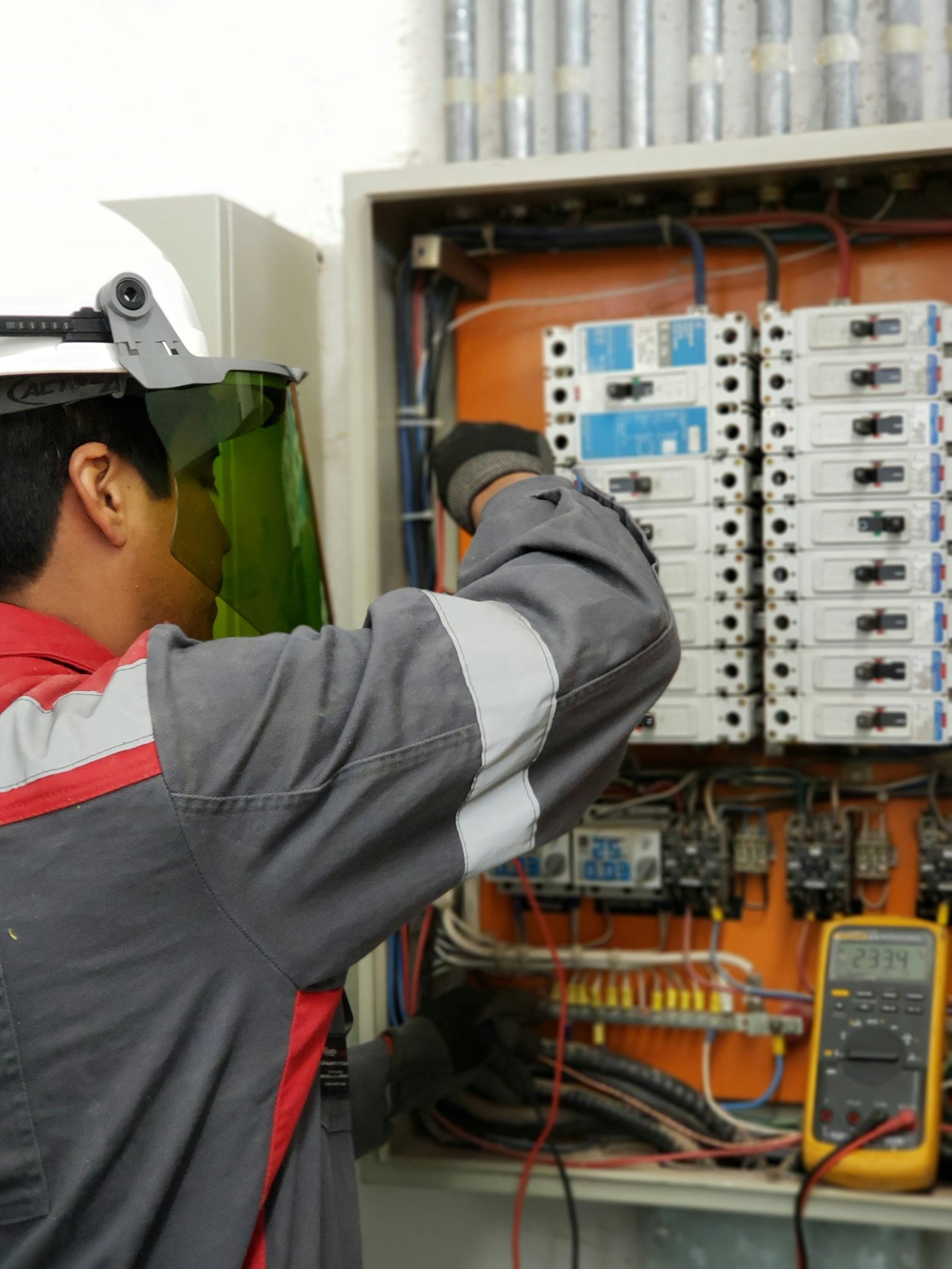
An ageing board usually gives some warning before it fails. The signs are easy to ignore, but each one means it is time to act. In every case the right response is to turn off the main switch and call a qualified electrician the same day.
If you see any of these in your Culter home, switch off the main switch and call us on 07304 027013. We can usually attend the same working day for urgent board issues across AB14.
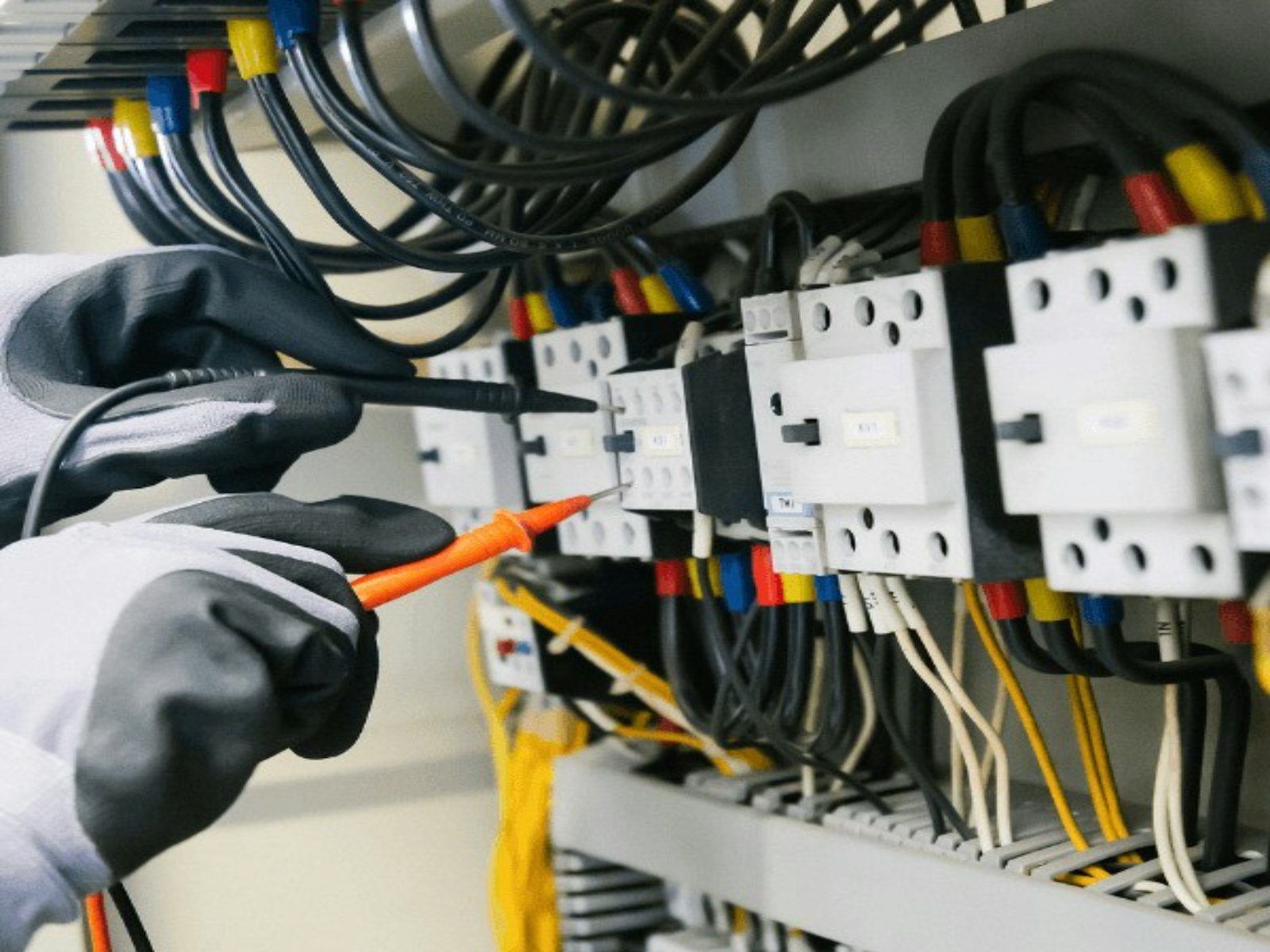
The same predictable process whether it is a rewireable swap in a granite village cottage or a board upgrade on a modern Culter estate.
Call, WhatsApp or use the form. A photo or onsite look at your existing board, the supply and the connected circuits. AB14 properties surveyed promptly.
A fixed price quote in writing, valid for 30 days. Bundle pricing if combined with an EV charger, EICR remedial work or a rewire. VAT shown separately.
A typical domestic upgrade takes one to two hours. Power off the main switch, swap the board, terminate every circuit into a new RCBO, add the SPD, energise.
Insulation resistance, polarity, earth fault loop impedance and RCD trip times on every circuit, on calibrated instruments, all documented.
A digital Electrical Installation Certificate the same day, sent to you, your letting agent or your insurer on request, carrying our NICEIC registration.
Final pricing depends on the existing board, the number of circuits and any associated work. The ranges below are guides from our 2026 price schedule. Larger jobs are quoted after a survey.
| Typical 100A domestic upgrade | £550 to £950 + VAT |
| Small flat (4 to 6 ways) | £550 to £650 + VAT |
| Standard 3 bed (8 to 10 ways) | £650 to £800 + VAT |
| Larger detached (12+ ways) | by survey |
| Three phase or rural supply | by survey |
| Board upgrade with EV charger | £750 to £1,000 + VAT |
| Additional RCBO (per device) | £25 to £30 each + VAT |
| SPD surge protection device | £40 to £80 + VAT |
| Board with EICR retest | by survey |
| Board within a full rewire | included with rewire |
Free survey across Peterculter and the Deeside suburbs. Written quote after the visit. VAT shown separately on every invoice. Bundle discounts where work combines.
Call 07304 027013For the wider picture on costs, read our guide on whether a consumer unit upgrade in Aberdeen is worth it.
A consumer unit replacement is judged against BS 7671. Steven Watt holds the City and Guilds award for exactly that standard, alongside the core electrical diploma and the inspection and testing award.
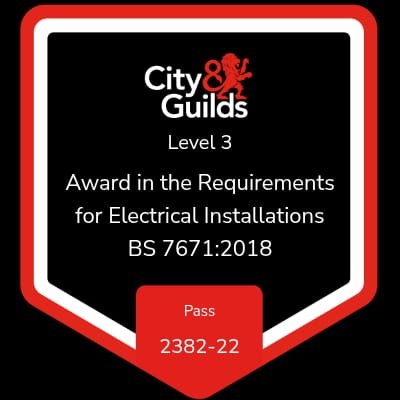
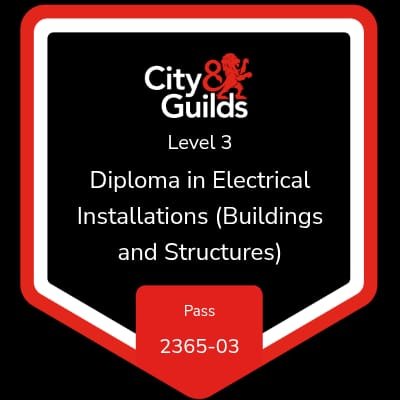
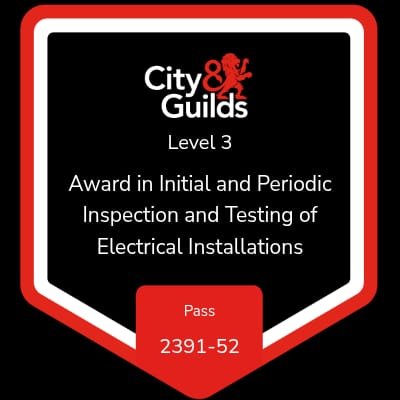
These are individual City and Guilds awards held by Steven Watt, separate from our NICEIC Approved Contractor status. Anyone can claim qualifications. We will show you the certificates.
A consumer unit upgrade is one of the riskier jobs an electrician does. The supply stays live behind the main switch, the order of terminations matters, and the wrong RCD type can leave a circuit unprotected. Every error becomes a fire risk the moment the board is energised. It is not a job for a general handyman.
Our board installs are signed off with a NICEIC Electrical Installation Certificate carrying our registration number, valid for insurers, for letting agents and for Aberdeen City Council. The work is auditable on the public NICEIC register, and we will show you the certificates before you commit.
Faithful Spark Electricians is your local NICEIC approved electrical contractor, serving Peterculter, the Deeside suburbs and the wider North East of Scotland. Every consumer unit upgrade is led personally by Steven Watt.
Steven began his career as a Royal Navy Engineering Apprentice in 2001, before moving through industrial commissioning, factory installations, utility contracts and the Aberdeen energy sector. Faithful Spark Electricians Ltd was formally incorporated on 29 August 2024, building on the business Steven founded in 2023.
Today the business holds NICEIC Approved Contractor status, City and Guilds awards including 2382-22 in BS 7671, £2 million public liability insurance, and a 5.0 rating from 100+ Google reviews. NICEIC registration is publicly searchable at niceic.com.
No travel charge for AB14 and the neighbouring Deeside suburbs. Outlying addresses confirmed on booking.
The granite village core around North Deeside Road, the post war streets and the modern estates on the western edge. Lower Deeside ward, Aberdeen City.
The next Deeside suburb east along the A93. Larger detached homes, a mix of older boards and modern RCBO units.
Affluent lower Deeside on the A93 into the city. Granite villas and large homes, often with multiple boards. See our consumer unit upgrades in Cults.
The rural village on the south bank of the Dee, just across from Culter. Farmhouses and steadings with rural supplies.
Need a postcode confirmed? Call 07304 027013 and we will check on the same call. Or browse all the areas we cover.
Don't see your question? Call 07304 027013 or email us. We come back the same business day.
The clearest signs are old rewireable wire fuses, an old plastic enclosure with no RCD, frequent tripping, scorching or a burning smell, or the board being flagged on an EICR. The granite village core and post war homes around North Deeside Road are the most likely to still run a board that is overdue. A free survey settles it either way.
If your home on one of the newer Culter estates already has a compliant RCBO board, you generally need nothing unless you are adding a heavy new load such as an EV charger, solar or a heat pump. In that case we usually just add a new way rather than replace the board. We will tell you honestly on the survey.
A typical 100A domestic upgrade in Peterculter is £550 to £950 + VAT, fully installed and certified. Bundled with an EV charger it is £750 to £1,000 + VAT. Additional RCBOs are £25 to £30 each + VAT and an SPD is £40 to £80 + VAT. Larger detached and rural supplies are quoted after a survey.
An MCB protects against overload, too much current. An RCD protects against earth faults, current leaking to earth, which is the protection that saves lives. An RCBO combines both in a single device. We fit one RCBO per circuit as standard so a fault on one circuit does not take out the rest of the house.
No. A typical Culter domestic upgrade takes one to two hours on site, with the power off the main switch for part of that. We swap the board, terminate every circuit into a new RCBO, add the SPD, test every circuit and issue the certificate the same day.
Yes. An SPD (surge protection device) is part of a modern board under BS 7671 and protects sensitive electronics and any inverter against surges. An AFDD (arc fault detection device) is fitted where it is appropriate for the circuit. Both are discussed on the survey and shown clearly on the quote.
Call Steven directly on 07304 027013, message us on WhatsApp, or use the form for a free, no obligation written quote. For other work in the village, see our Peterculter electrician page, our wider consumer unit replacement service, or our full rewire page.
Faithful Spark Electricians Ltd · Peterculter, Deeside & North East Scotland · NICEIC Approved Contractor · City and Guilds 2382-22 · £2M public liability insured