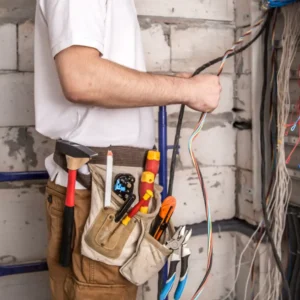
Top 10 Electrical Safety Checks Every Homeowner Should Do Before Winter
As the days get shorter and colder, your home’s electrical system comes under more strain. Heaters, lighting, and festive decorations all increase power demand — making winter electrical safety checks essential for every UK homeowner. Staying proactive helps prevent faults, electrical fires, and unexpected outages during the season you rely most on electricity.
1. Check the Consumer Unit and Main Safety Devices
What to do
Open the consumer unit cover and read each label. Confirm that every circuit is identified and that the main switch, RCDs, and breakers operate smoothly. Press each RCD test button and reset it after the trip.
What good looks like
A modern board with an intact enclosure, tight cover screws, clear labelling, and no scorching is a good sign. Many homes now use RCBOs for individual circuit protection and a Surge Protective Device that guards sensitive equipment during storms.
Common winter issues
Older rewireable fuse boards, missing RCD protection, loose blanks that compromise IP ratings, and signs of heat damage near high-load circuits are typical problems.
Fixes and upgrades
Where RCDs are missing or the unit is dated, consider a compliant upgrade to a contemporary board with RCBOs and SPD. See the for guidance on BS 7671 and view our for professional support.
Helpful links
2. Test RCDs and Confirm Shock Protection

What to do
Use the test button on each RCD and confirm it trips instantly. Reset the device and test any additional RCDs or RCBOs if fitted. Repeat this process on socket circuits that supply outdoor equipment, bathrooms, or kitchens where shock risk is higher.
What good looks like
Instant trip on test, followed by a reset without hesitation. No buzzing, arcing, or heat from the device. No nuisance tripping in normal use.
Common winter issues
Moisture ingress to outdoor sockets can cause random trips. Portable heaters and tumble dryers can reveal marginal earth fault loop conditions in stressed installations.
Fixes and upgrades
If any RCD fails to trip, arrange an electrical inspection that includes RCD trip time measurement. Book via our .
Helpful links
3. Inspect Cables, Plugs, and Sockets for Wear

What to do
Unplug appliances and check flexes for cuts, flattening, or exposed copper. Check plugs for cracked cases or loose pins. Test each socket by gently inserting a plug to feel for solid contact. Avoid trailing leads that run under rugs or through doorways.
What good looks like
Cables with intact insulation, secure strain relief at plugs, and sockets that grip firmly without heat or smell.
Common winter issues
Heater flexes are often stressed, and Christmas lighting can show brittle insulation. Extension blocks can become overloaded by multiple high-draw appliances.
Fixes and upgrades
Replace damaged flexes and worn outlets. Fit additional permanent sockets in rooms that rely on adapters. If you notice heat, buzzing, or intermittent power, arrange .
Helpful links
4. Make Outdoor Power and Lighting Weatherproof
What to do
Check that all external fittings carry a suitable ingress protection rating such as IP65 or higher. Confirm that outdoor sockets have locking covers and RCD protection. Inspect gaskets, glands, and cable entries for tight seals. Keep junction boxes off the ground.
What good looks like
Properly sealed enclosures, intact rubber gaskets, correctly terminated SWA or outdoor-rated flex, and a drip loop to shed water before it reaches the fitting.
Common winter issues
Condensation builds up inside fittings. Unsealed joints allow water to track into terminals. Garden equipment left connected through winter can corrode plugs and outlets.
Fixes and upgrades
Replace compromised fittings and junction boxes. Add RCD protection where missing. Consider smart outdoor lighting with dusk sensors to reduce manual switching errors.
Helpful links
5. Prevent Overloading and Manage Seasonal Demand
What to do
List all high-load appliances and spread them across different circuits where possible. Heaters, ovens, tumble dryers, and immersion heaters place heavy demand on the system. Avoid daisy-chained extensions and multi-way adapters for heat-producing devices.
What good looks like
No frequent breaker trips. No dimming lights when appliances start. No warm plugs or outlets during normal operation.
Common winter issues
Temporary heaters in bedrooms or home offices can push sockets near their limit. Older ring circuits with poor terminations struggle under continuous loads.
Fixes and upgrades
Add new circuits or extra sockets where usage has grown. Replace undersized or damaged outlets. If trips increase, book an electrical inspection to test continuity, polarity, and loop impedance across affected circuits. See our for support.
Helpful links
6. Test Smoke Alarms and Carbon Monoxide Detectors
What to do
Press the test button on every smoke alarm and carbon monoxide detector. Replace batteries as soon as the chirp warning starts. Fit alarms in hallways, bedrooms, and rooms with fuel-burning appliances. Replace any unit past its expiry date.
What good looks like
Loud alarm on test. Clear manufacture date on the casing. Units positioned on ceilings and away from corners.
Common winter issues
Dust in loft spaces can affect detectors near hatch areas. Battery contacts loosen over time in rooms with frequent vibration. CO alarms mounted too low or too close to vents can give unreliable readings.
Fixes and upgrades
Install interlinked alarms where possible for faster alerts. Use sealed long-life alarms for reliability.
Helpful links
7. Check Portable Heaters, Tumble Dryers, and High-Load Appliances
What to do
Inspect heater grills for dust. Ensure tumble dryer lint filters are cleaned after every use. Check appliance plugs for heat or discolouration. Keep heaters clear of curtains and furniture. Avoid use of heaters with extension leads.
What good looks like
Cool plugs after use. Clean ventilation paths. Automatic shut-off features working. Secure appliances on level surfaces.
Common winter issues
Blocked heater vents cause overheating. Tumble dryer exhaust ducts clog and increase fire risk. Old plugs with loose terminations run hot under load.
Fixes and upgrades
Replace suspect plugs and flexes. Consider adding a dedicated circuit for a permanent heater in a garden office or outbuilding. If heat marks appear at a socket, schedule to examine terminations and ring continuity.
Helpful links
8. Inspect Loft, Garage, and Garden Wiring for Damage

What to do
Look for rodent activity in lofts. Check cable runs along joists for gnaw marks or exposed copper. In garages and sheds, confirm that cables are protected from knocks and damp. For gardens, check outside junction boxes and the condition of armoured cable sheaths.
What good looks like
Cables clipped properly, no sharp bends, intact sheathing, and dry enclosures. Where SWA is used, glands should be tight and earthed correctly.
Common winter issues
Rodents chew PVC insulation. Condensation builds in outbuildings with poor ventilation. UV ageing cracks older outdoor flex.
Fixes and upgrades
Replace damaged sections rather than tape repairs. Upgrade to SWA or suitable outdoor cable types. Fit moisture-resistant junction boxes and desiccant packs in problem areas. If you are unsure about insulation resistance values, book an electrical inspection through our .
Helpful links
9. Verify Earthing and Bonding for Gas and Water Services
What to do
Find the main earthing conductor from the consumer unit and follow it to the earth electrode or supply earth point. Check for green and yellow bonding conductors clamped to the gas meter outlet and the main water stopcock. The clamps should be tight and labelled.
What good looks like
Correctly sized conductors, sound copper connections, and clamps with clear identification. The bonding should be near the point of entry to the building.
Common winter issues
Works on boilers, kitchens, or bathrooms can disturb bonding. Corrosion in basements and cellars can loosen clamps. DIY alterations can leave bonding missing.
Fixes and upgrades
Where bonding is absent or undersized, have it upgraded to meet current requirements in BS 7671. Proper earthing improves fault disconnection times and supports RCD effectiveness.
Helpful links
10. Book a Professional Electrical Inspection Before the Coldest Months
What to do
Even a careful homeowner cannot see inside cables or test protective devices fully. A professional electrical inspection provides verification of insulation resistance, polarity, RCD trip times, earth fault loop impedance, and continuity. The findings are documented in an Electrical Installation Condition Report.
What good looks like
A clear EICR with coded observations and measured results. Satisfactory status or a simple plan of remedial actions. Guidance on prioritising any C1 or C2 issues and advice on C3 improvements.
Common winter issues
Hidden junctions in lofts, degraded connections in old rings, and marginal loop readings only show when demand peaks. These faults can cause intermittent tripping that frustrates families during the holidays.
Fixes and upgrades
Act on remedial recommendations quickly. Replace compromised accessories. Upgrade the consumer unit where protection is lacking. Strengthen outdoor circuits where moisture is expected. Arrange your visit through our or read more at the page.
Winter Electrical Safety Checks in Detail: Practical Steps and Pro Tips
Room by room quick scan
Walk the kitchen, utility, living room, bedrooms, loft, garage, and garden. Touch each critical point once. Look, listen, and smell for signs of stress. Short, regular checks make a large difference to electrical safety for homeowners.
Label and organise
Photograph the consumer unit and store circuit labels in your phone. Keep appliance manuals in one folder. A clear record helps during callouts and makes testing more efficient.
Plan for peak demand
Stagger drying, cooking, and heating tasks. Use timers to shift loads to different hours. Choose low energy settings where safe and practical.
Surge protection and sensitive devices
Storms and grid switching can produce transient overvoltage. A board-level SPD plus quality plug-in protectors reduces risk for routers, televisions, and home office equipment.
Garden and outbuildings
Seal entries where cables pass through walls. Fit proper external grade enclosures. Keep socket outlets high enough to avoid puddles.
Decorative lighting
Use quality products with UK plugs and fuses. Follow manufacturer instructions. Switch off before bed. For outdoor displays, ensure a protected supply and suitable IP rated fittings.
When to Call a Qualified Electrician
Immediate attention
Burning smells, visible arcing, repeated trips on reset, or any signs of heat at an accessory require an urgent visit. Isolate the circuit at the consumer unit and seek help.
After any renovation
Kitchens, bathrooms, and boiler replacements can affect bonding or load. Ask for testing documentation after works and keep it with your home records.
If you inherit an old installation
New owners should plan an EICR to understand the condition of the system. Prioritise C1 and C2 items and schedule upgrades. This approach brings peace of mind for winter and beyond.
If you use electric vehicles or heat pumps
Increased base load can expose marginal circuits. Consider load management, dedicated supplies, and suitable protective devices. A professional review ensures safe operation during cold snaps.
Simple Checklist You Can Print and Use
- Consumer unit cover secure and labels present
- RCD test buttons operate and reset correctly
- No scorch marks on breakers or neutral bars
- No warm plugs or buzzing sockets under load
- Extension leads not used for heaters or dryers
- Outdoor sockets and lights have suitable IP rating
- Smoke alarms and CO detectors tested and in date
- Loft and garage cables free from rodent damage
- Bonding present at gas and water services
- EICR booked if the installation is older or unknown
Professional Support for Your Home
Electrical inspection
A full inspection confirms the safety of your installation and documents results. Book an electrical inspection with our team through .
Upgrades that raise safety
If your board is outdated or protection is limited, consider a modern solution with RCBOs and SPD. See .
Fast diagnostics
Breakers that trip, flickering lights, or lost power on socket circuits point to loose terminations or insulation faults. Visit for targeted help.
Arrange Your Winter Electrical Safety Check
Electrical safety for homeowners improves with small, regular actions. The ten steps in this guide help you prepare for cold weather and higher demand. If you want complete assurance, arrange a professional visit before the coldest months. Faithful Spark Electricians provides transparent pricing, qualified workmanship, and a friendly service that respects your home. Contact us via faithfulsparkelectricians.co.uk to schedule your winter electrical safety check today.